Plain Talk 3Impacts of Contact

Chapter 1Impacts of Contact
As stated in the United Nations Declaration on the Rights of Indigenous Peoples, and by numerous writers, activists, politicians, poets and Indigenous peoples themselves, a nation’s culture is central to its identity and viability. To understand how a culture can be affected by the presence of external forces, it’s important to understand the complexity of the word “culture.”
Section 1
Section 1: Meaning of Culture
Culture can be defined as the totality of the experiences, knowledge, activities, symbols, rituals, beliefs and values shared by a group of people, a society, or a nation. Culture is a way of life that can be transmitted by communication and imitation from one generation to the next.
Plain Talk 3 | Impacts of Contact
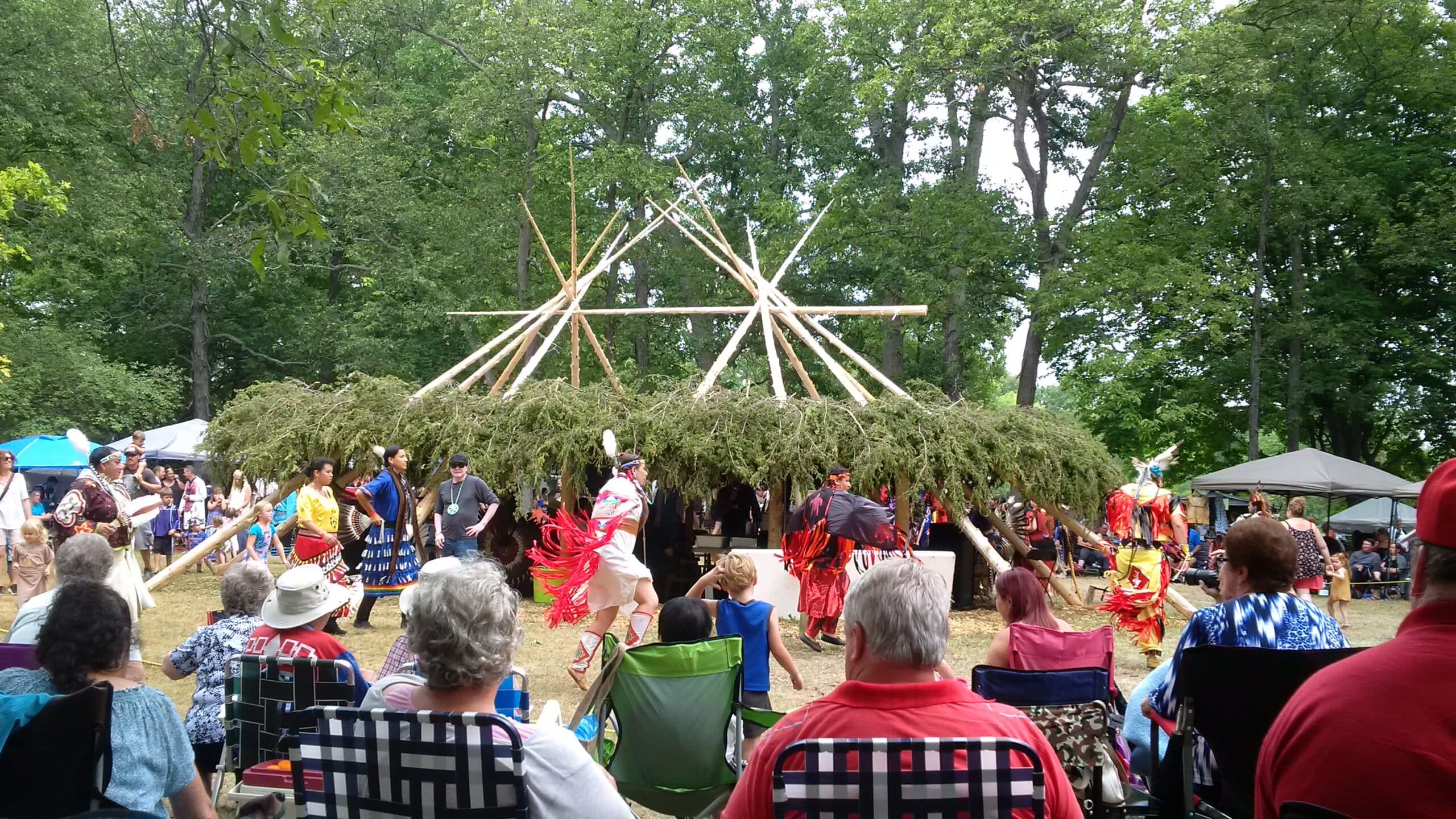
Before the appearance of Europeans in the land area of what is now Canada, the First Nations inhabited and controlled their own regions and territories and developed sophisticated and intricate ways of living and thriving in their environments and on their lands. The vast country has distinct geographical differences, which had an influence on the cultural customs and practices of the resident First Nations.
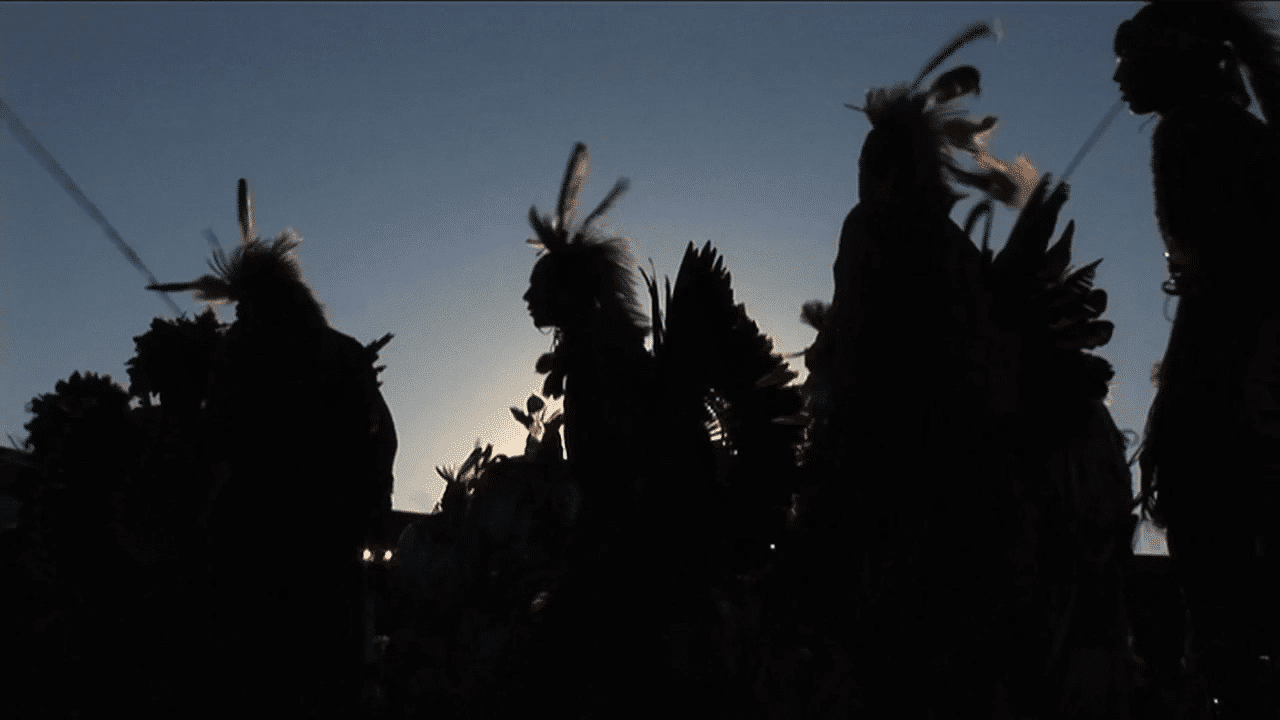
Each First Nation had its own distinctive culture. Although First Nations peoples shared some cultural characteristics (for example, a strong relationship with the land and nature), nonetheless each First Nation had its own unique characters with respect to the cultural dimensions summarized previously.
Section 2
Section 2: Contact
“Indigenous peoples, in exercising their right to self-determination, have the right to autonomy or self-government in matters relating to their internal and local affairs, as well as ways and means for financing their autonomous functions.”
—Article 4, United Nations Declaration on the Rights of Indigenous Peoples, 2007 September 13
Plain Talk 3 | Impacts of Contact
Contact
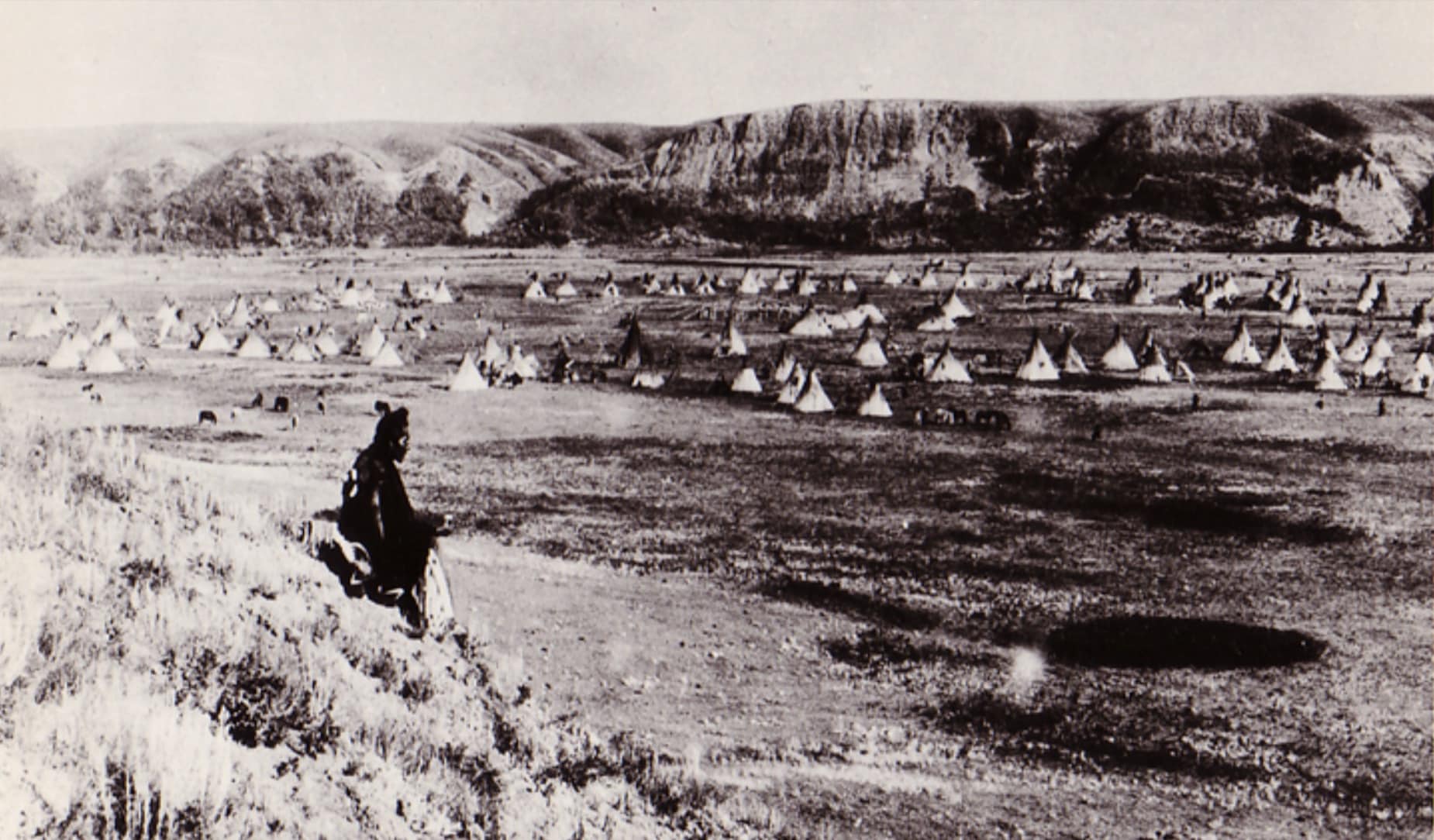
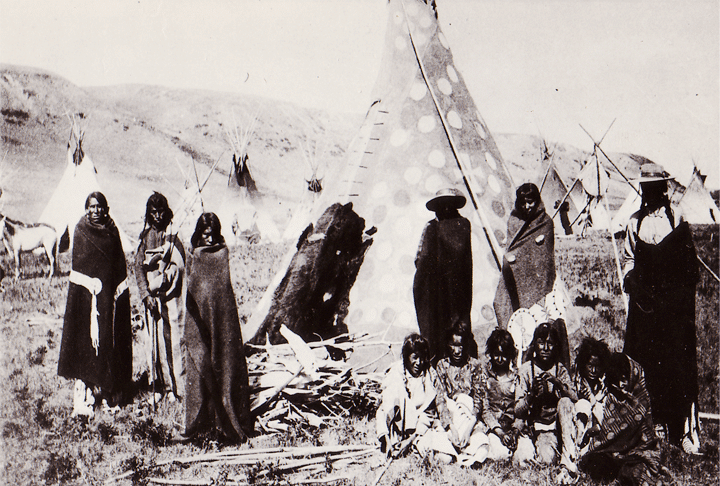
Contact—the appearance of Europeans—constituted an assault on the cultures of First Nations. Every cultural dimension was subjected to European pressures that questioned their validity and viability, and threatened the very existence of First Nations cultures. The pressures were many, and introduced at various times and in various ways. It is a testament to the strength, resilience, will, determination, and power of First Nations peoples that they have survived pressures that can only be described as genocidal.
“A nation’s culture resides in the hearts and in the soul of its people.”
—Mahatma Gandhi
One of the driving forces that justified the assault on First Nations cultures was the Doctrine of Discovery, which had a profound influence on the attitudes of European explorers and settlers toward First Nations. The Doctrine of Discovery was a European Catholic pronouncement that the Catholic nations of Europe had the right to take over lands in the New World and Africa if the lands were occupied by non-Christians. In effect, the Doctrine of Discovery gave Europeans the power to seize
“discovered” lands and subjugate their inhabitants. As described in one of the official documents of a Catholic Pope, representatives of Catholic Europe could “invade, search out, capture, vanquish, and subdue…pagans…and other enemies of Christ…and the kingdoms, dukedoms, principalities, dominions, possessions, and all movable and immovable goods…and to reduce their persons to perpetual slavery…” A number of European countries, including Great Britain and France, used these ideas to advance their own interests and power.
Plain Talk 3 | Impacts of Contact
The impacts of contact—the appearance and enduring presence of Europeans on First Nations cultures—took many forms. Prior to contact, First Nations were independent, self-governing nations. After colonization, government policies ignored differences among First Nations, treating all First Nations as a homogeneous group called “Indians.”
The introduction of unfamiliar European diseases like smallpox, typhus, influenza, diphtheria and measles had a devastating impact on First Nations. The absence of immunity to these diseases led to fatal consequences among First Nations communities. It is estimated that up to 90 percent of the First Nations population was destroyed by the diseases imported by Europeans. Other significant impacts that altered many cultural dimensions involved the introduction of alcohol, horses, guns, and Christianity, and persistent official measures to assimilate First Nations into the mainstream European values and attitudes.
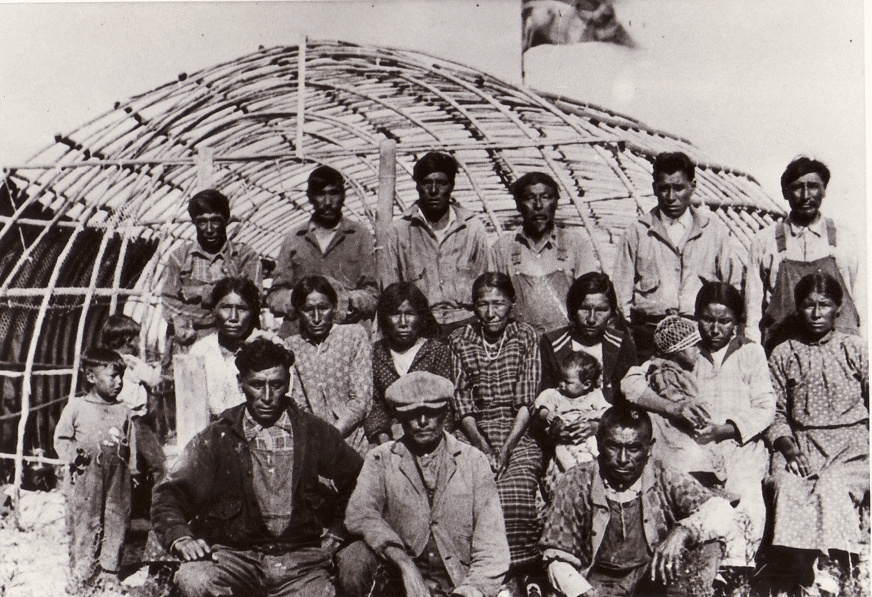
First Nations cultures were profoundly impacted by contact with European powers, policies and worldviews. Contact with First Nations occurred at different times, in different ways, and in different regions as European exploration and settlement spread across the land. The Aboriginal Rights Resource Tool Kit provides a description of the initial contacts between Indigenous people and European explorers.
Plain Talk 3 | Impacts of Contact
Encounters between Aboriginal Peoples and non-Aboriginal People began to increase in number and complexity in the 1500s. For the most part, Aboriginal Peoples and non-Aboriginal people maintained cautious cooperation and saw each other as separate, distinct, independent, and in charge of its own affairs. Early contact unfolded roughly as follows:
- Mutual curiosity and apprehension;
- An exchange of goods, tentative at first, then expanding steadily;
- Barter and trade deals, friendships and intermarriage, creating bonds between individuals and families;
- Military and trade alliances, creating bonds between and among Nations; and
- European newcomers receiving help from First Nations to survive the climate and succeed in fishing, whaling, and fur trading.
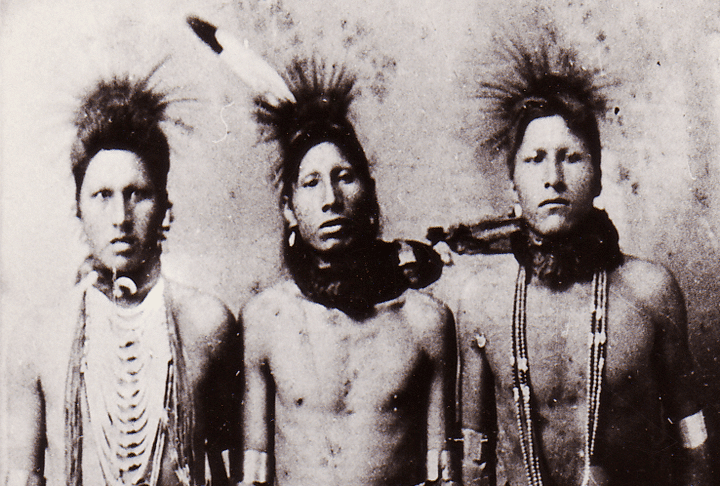
First Nations Elders recognized the potential damage that could result from European world views. This speech by Chief Seattle in 1854 articulates one view of the dangers of European contact.
Listen to the speech by Chief Seattle
The impacts of contact were widespread, affecting every dimension of First Nations culture. Some of the major impacts are described on the following pages.
Plain Talk 3 | Impacts of Contact
The Indian Act and its Amendments
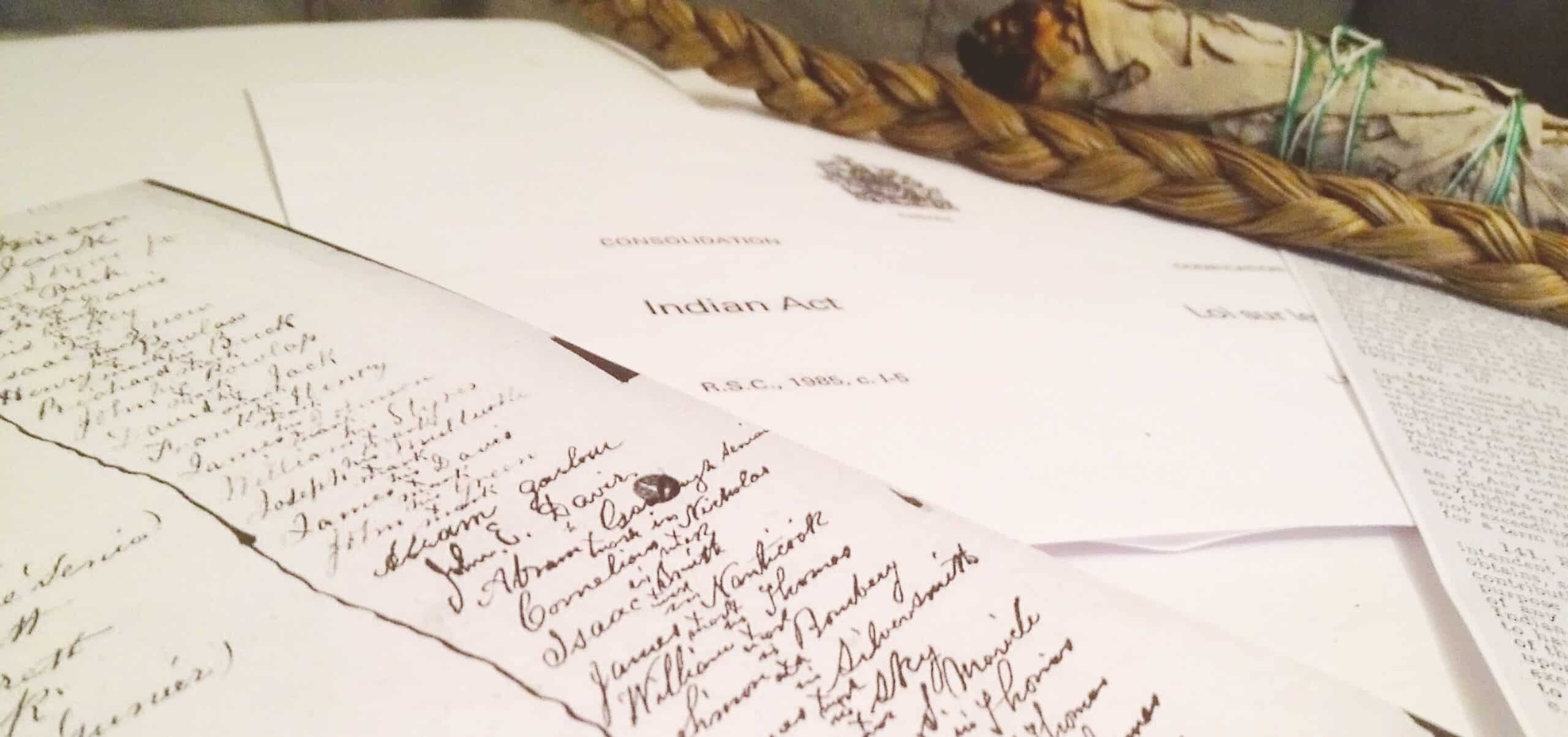
In 1876, the Parliament of Canada passed the Indian Act, which gave the Canadian federal government exclusive authority over Indians and Lands Reserved for Indians. The Indian Act consolidated a number of previous acts involving control and regulation of all aspects of the lives of First Nations members.
Amendments over subsequent years were directed primarily at supporting and expanding the official assimilationist federal policy. The Indian Act has been described, justifiably, as archaic, outdated, colonial, racist, paternalist, and repressive. Shockingly, it is still in effect today!
Plain Talk 3 | Impacts of Contact
Residential Schools and Cultural Assimilation
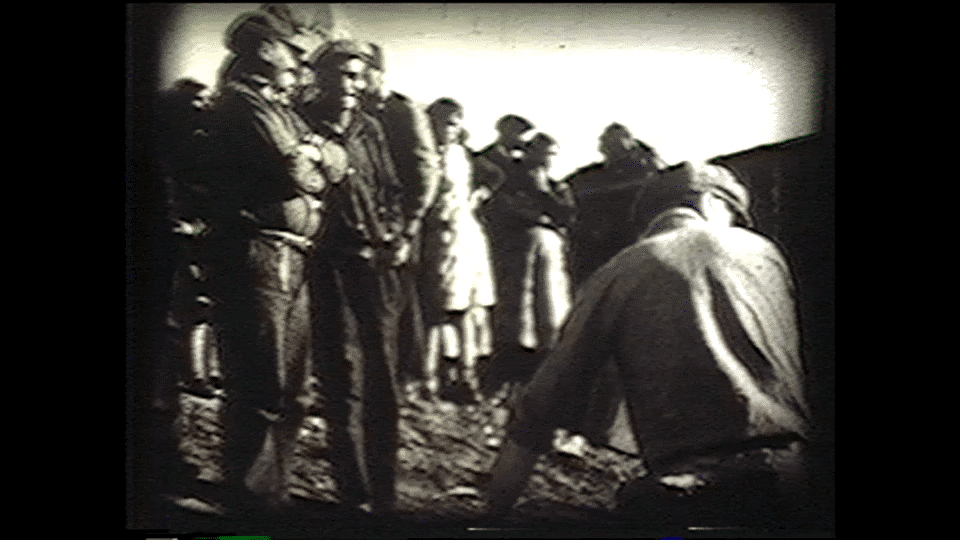
First Nations children were forcibly removed from their homes and communities to attend residential schools. This was designed to force First Nations to abandon their traditional cultures and replace them with European/Canadian values, behaviours and attitudes. These policies were a profound assault on all dimensions of Indigenous cultures. Traditional languages, pride in heritage, traditional skills and knowledge and parenting skills were significant casualties of the residential school era, with the effects manifested in subsequent generations in what has been termed the intergenerational effect.
“No two languages are ever sufficiently similar to be considered as representing the same social reality. The worlds in which different societies live are distinct worlds, not merely the same world with different labels attached.”
—Amy Tan
Plain Talk 3 | Impacts of Contact
Governance
The Canadian government has replaced most traditional First Nations governance systems with the band council system, and continues to pass laws to control First Nations council systems. Increasingly, First Nations are retaining and reclaiming jurisdiction of their communities and territories through self-government agreements.
Land Relationship
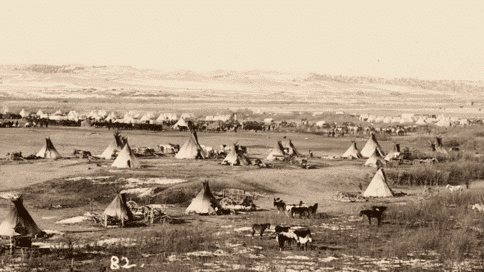
The European concept of the private ownership of land was alien to the worldview of First Nations. Furthermore, there was massive immigration by French and English settlers, a phenomenon that was not anticipated by First Nations. The need for land for colonizing settlers forced First Nations into pockets of land called “reserves” that were inadequate for growth, stability and even subsistence. First Nations with nomadic lifestyles were forced to abandon traditional ways of life.
Plain Talk 3 | Impacts of Contact
Suppression and Banning of Traditional Customs
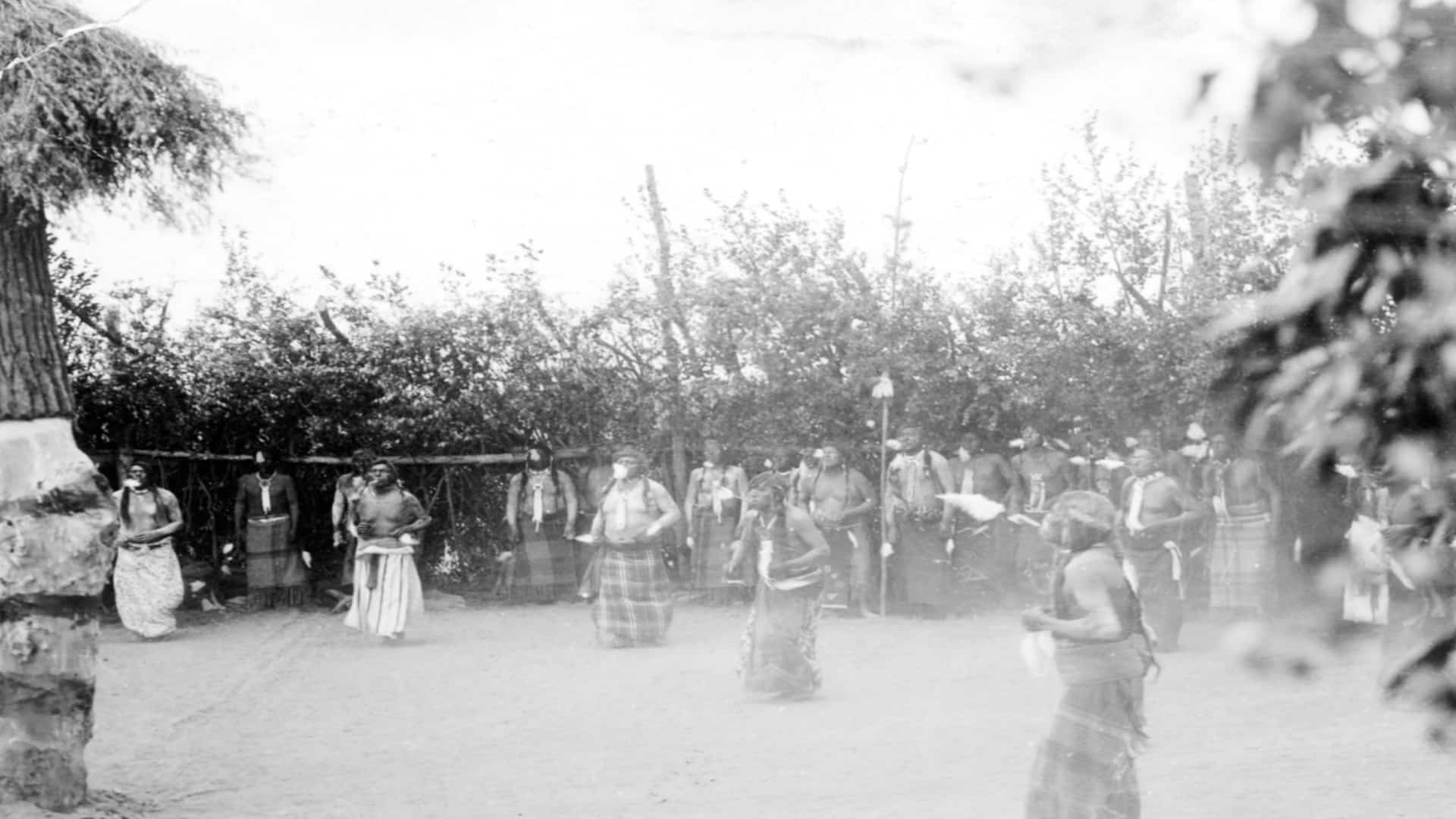
From 1884 to 1951, Canadian law prohibited the potlatch, a festival celebrated by many Pacific Northwest First Nations. The potlatch is a ceremony that reinforces political, social and economic connections among First Nations groups and consolidates relationships. Many other cultural practices were also banned including the Sun Dance, Sweat Lodge Ceremonies, and numerous other traditional practices and rites of passage.
“The ideal of a single civilization for everyone implicit in the cult of progress and technique impoverishes and mutilates us. Every view of the world that becomes extinct, every culture that disappears, diminishes a possibility of life.”
—Octavio Paz, Mexican poet
Plain Talk 3 | Impacts of Contact
Cultural Appropriation
The phrase cultural appropriation refers to one culture using a dimension, characteristic, or image of another culture entirely out of its original context and significance. The most obvious examples are the use of First Nations names and images by sports teams, or the adoption of cultural characteristics like dream catchers or sweat lodges by non-First Nations people. Uses of First Nations cultural ideas and symbols can be considered offensive by First Nations members, particularly when cultural items are mass produced by non-First Nations businesses for profitable purposes.
Denial of Advocacy
Provisions of the Indian Act forbade First Nations people from forming political organizations, and many First Nation leaders were jailed for trying to organize any form of a political organization.
Plain Talk 3 | Impacts of Contact

Spirituality
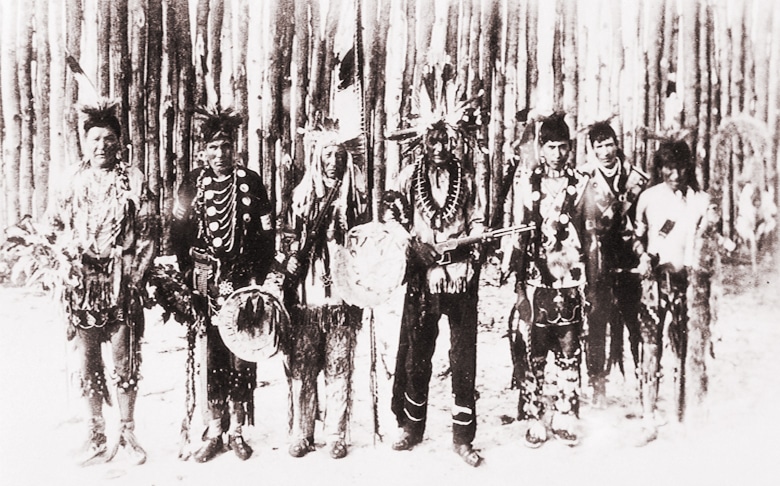
European nations brought with them the dominant European religion of Christianity as well as demeaning attitudes toward the spirituality and cultures of First Nations peoples. Christian Missionaries made vigorous and successful efforts to convert First Nations to Christianity, which involved diminishing the value and importance of First Nations myths, legends and cosmologies
Discrimination, Racism and Stereotypes
Because Europeans viewed First Nations as uncivilized and savage, First Nations people have been subjected to various types of discrimination and racism, and the creation and transmission of denigrating stereotypes.
Plain Talk 3 | Impacts of Contact
Treaties
Although Treaties are considered sacred agreements between nations, treaties between First Nations and European/Canadian powers are contentious and controversial because of a number of problems. In particular history indicates that signatories had significantly different understandings of the meanings, content, and scope of the treaties. Treaties were written by colonizers and were worded in ways that were not to the advantage of the First Nations.
Health
Prior to contact, Indigenous peoples lived in harmony with their environment, using their traditional wisdom and knowledge of the land and its resources to maintain health and promote healing. Since contact, a variety of policies, forces and events have led to a more sedentary lifestyle, dietary changes, and contaminated air, water, and land. These conditions have become serious threats to First Nations’ psychological, physical, emotional and spiritual wellbeing, resulting in a number of problems, including cardiovascular diseases, diabetes, and addictions.
The impacts of contact continue in First Nations communities today. The Assembly of First Nations and First Nations leaders advocate an approach to improve the condition of First Nations people and work toward reversing centuries of government neglect and interference.
First Nation governments must be enabled to plan and develop their internal governance systems through constitutional development, and oversee all key functions including citizenship, justice, economic development, health, education and social services.
Chapter 2Impacts of Contact
Plain Talk 3 | Impacts of Contact
References
Aboriginal Rights Resource Tool Kit.
Canadian Labour Congress Anti-Racism and Human Rights Department. 2002.
Ottawa: Canadian Labour Congress
Wahbung: Our tomorrows. 1971.
Manitoba Indian Brotherhood Inc.