Plain Talk 15Plan for Student Success
Chapter 1Plan for Student Success
Educators and administrators reflect on the following research to develop their Plan for Student Success. Since success looks different to each school and each student, the factors within this document are guidelines.
This Plain Talk includes: how to integrate the First Nations Holistic Lifelong Learning Model into education structures, key factors in student success, a framework on how to engage communities, information about the Change Paradigm, and how to measure change in an educational setting.
Section 1
Planning for Student Success
Attending to education and working towards attainment is essential to preparing youth to have the skills they need in order to succeed and be successful both academically and socially.
“I do not think the measure of a civilization is how tall its buildings of concrete are, but rather how well its people have learned to relate to their environment and fellow man.”
—Sun Bear, Chippewa Tribe
Plain Talk 15 | Plan for Student Success
First Nations of Holistic Lifelong Learning Model
According to the First Nations Holistic Lifelong Learning Model, the First Nations learner dwells in a world of continual re-formation, where cycles – rather than disconnected events – occur. In this world, everything is interconnectedness. Furthermore, learning is a lifelong process that begins at birth and progresses through childhood and adulthood; knowledge exists across generations.
The First Nations Holistic Lifelong Learning Model can be used to identify what a beneficial platform for learning can look like. It can inform how to move forward in creating lesson plans, individual education plans, or structuring a classroom.
For example, when creating a lesson plan, an educator can reflect by asking:
- Does this lesson incorporate or build upon Traditional Indigenous Knowledge?
- How can I introduce emotional, spiritual, mental and physical learning into this plan?
- Are parents, Elders, mentors, counsellors or community members involved in the learning process?
For more information on the First Nations Holistic Lifelong Learning Model, refer to Plain Talk 9.
Plain Talk 15 | Plan for Student Success
Plain Talk 15 | Plan for Student Success
Factors in Student Success
In conjunction with using elements from the Lifelong Learning Model, educators and administrators can look to factors for Indigenous student success as researched. Pamela Toulouse, with Laurentian University, compiled a summary of factors that contributed to Indigenous student success.
These factors include:
By looking to these factors, educators and administrators can identify which are being reflected currently in their education system, and how to implement those that are lacking.
- Strong leadership and governance
- High expectations for students
- Focus on academic achievement
- Welcoming education climates
- Respect for local Indigenous cultures
- Quality professional development
- Provision of wide range of programs/services
- Respectful and raised profile of Indigenous students
- Addressing academic and professional knowledge gaps
- Connections with communities
- Involvement of Indigenous child and youth workers
- Hiring of specialized Indigenous resource teachers
- Culturally appropriate curriculum and spaces
- Awareness and promotion of Indigenous protocols
- Sharing of promising practices in education
- Modeling school research and projects
- Valuing traditional knowledge and self-determination
- Youth entrepreneurship programs with businesses
- Accounting and banking mentorships
- Facilitating diverse connections and collaborations
Plain Talk 15 | Plan for Student Success
Factors in Creating a Welcoming Environment for First Nations Students
In creating a welcoming environment for First Nations students, it is important to keep in mind these five tenets (Toulouse, 2013):
Plain Talk 15 | Plan for Student Success
For non-First Nation schools, it is important to establish networks with Indigenous communities. Toulouse provides a framework for this engagement:
Community Specific Strategies and Practices:
Gather information on the community through a variety of resources
Elder Specific Strategies and Practices:
- Learn basic greetings, sayings and terms in the local language when approaching cultural resource people. Understand that language embodies worldview
- Familiarize self with protocols of approaching cultural resource people and requesting a service. Some may require tobacco as a ‘good way’ to begin
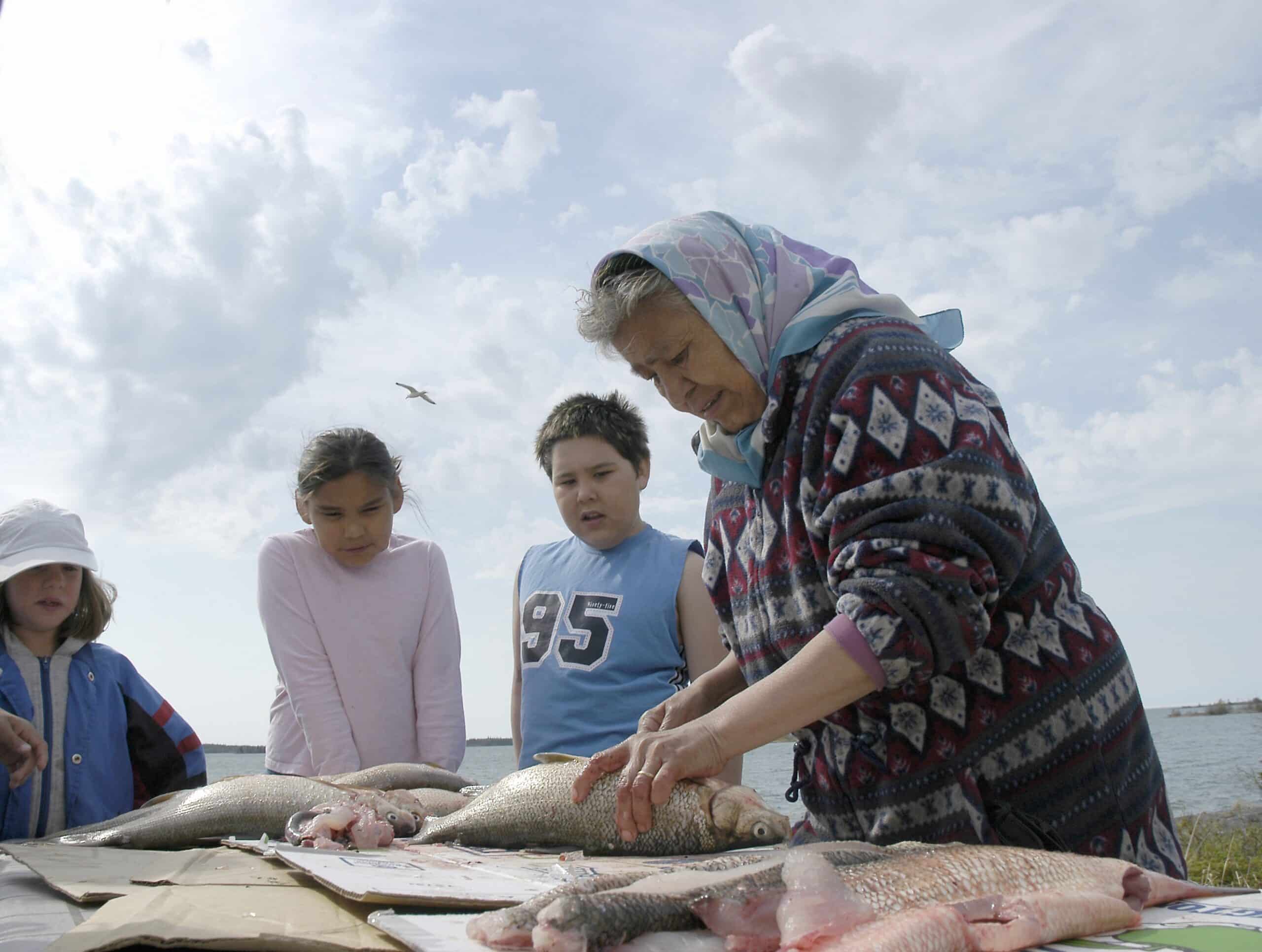
- Recognize that cultural resource people provide an experience that cannot be replicated by the majority of teachers. Their stories and skills are unique.
Plain Talk 15 | Plan for Student Success
Measuring Success
Data can provide substantive evidence of what is happening in schools, which can help educators to monitor the success of their programs, make informed choices, and use resources more effectively. Data can also help people to better understand the challenges schools face, which can facilitate more meaningful dialogue about how to collectively support schools.”
—The First Nations Schools Association Third Annual School Measures and Data Collection Project 2006–2007, Final Report
Plain Talk 15 | Plan for Student Success
Change Paradigm
With these factors of First Nations Student Success in mind, how can we implement it? How do we know when change is needed, or how this change is affecting us?
Something we might call a Change Paradigm is a straightforward way to understand how to make an improvement. The Change Paradigm poses three questions.
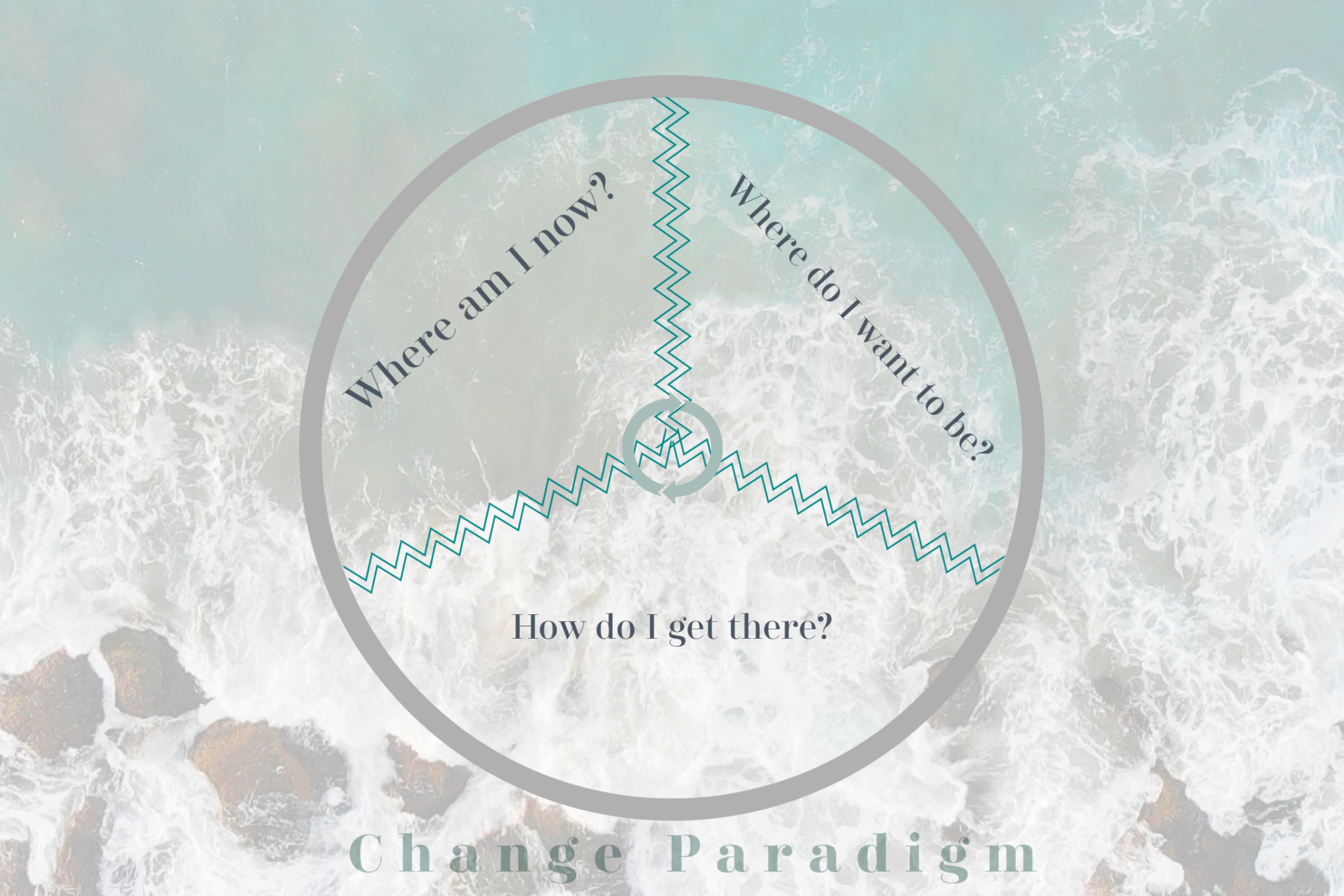
These questions help us work out a plan for the changes we want:
Where am I now? / Where are we now?
- presents a verbal picture of now
- can help us articulate and describe the positive and negative characteristics of our situation
Where do I want to be? / Where do we want to be?
- presents a verbal picture of the future
- can help us articulate and describe our goals and ambitions, the kinds of behaviours, attitudes, skills and knowledge that are part of our ideal
Plain Talk 15 | Plan for Student Success
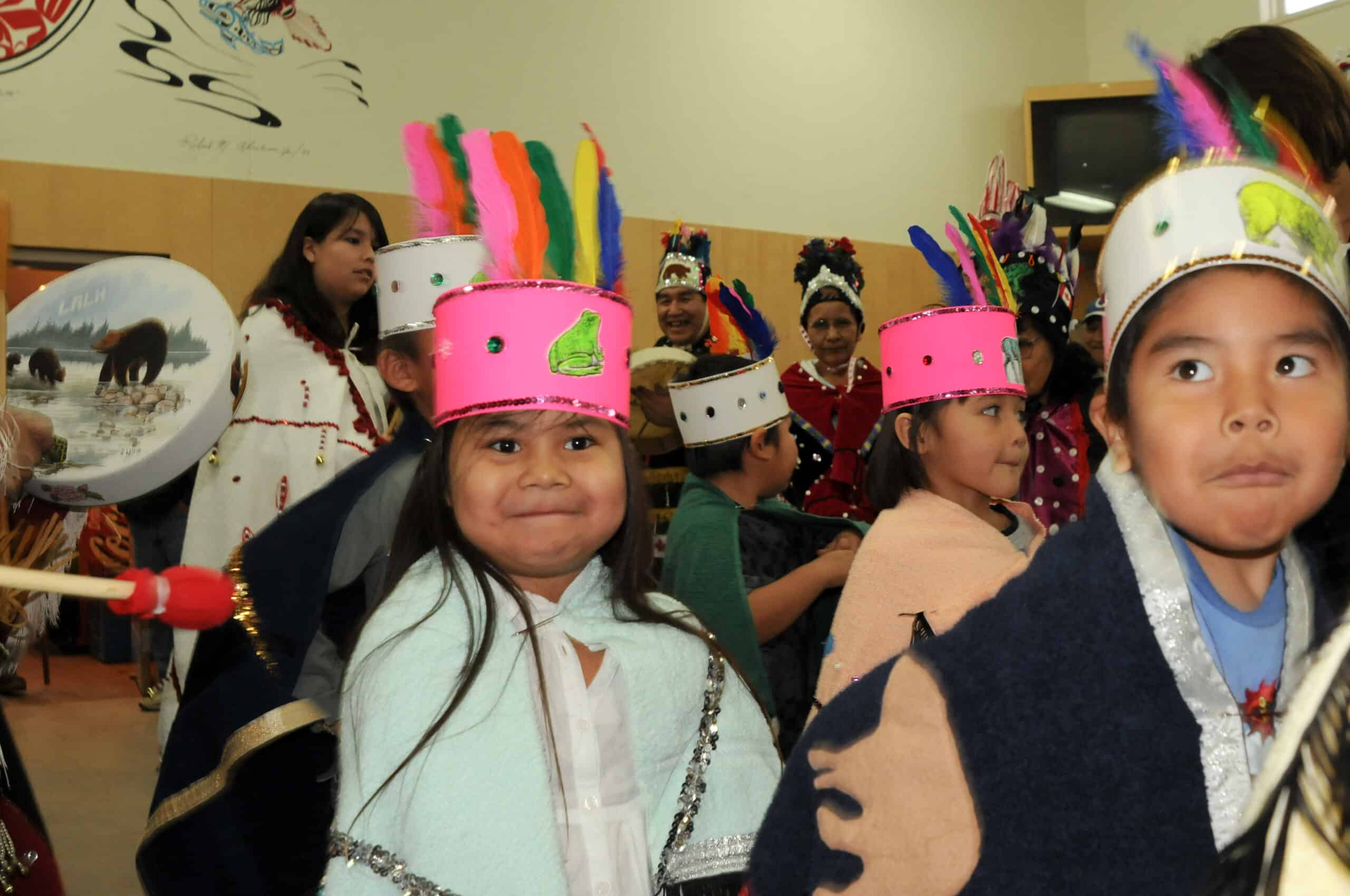
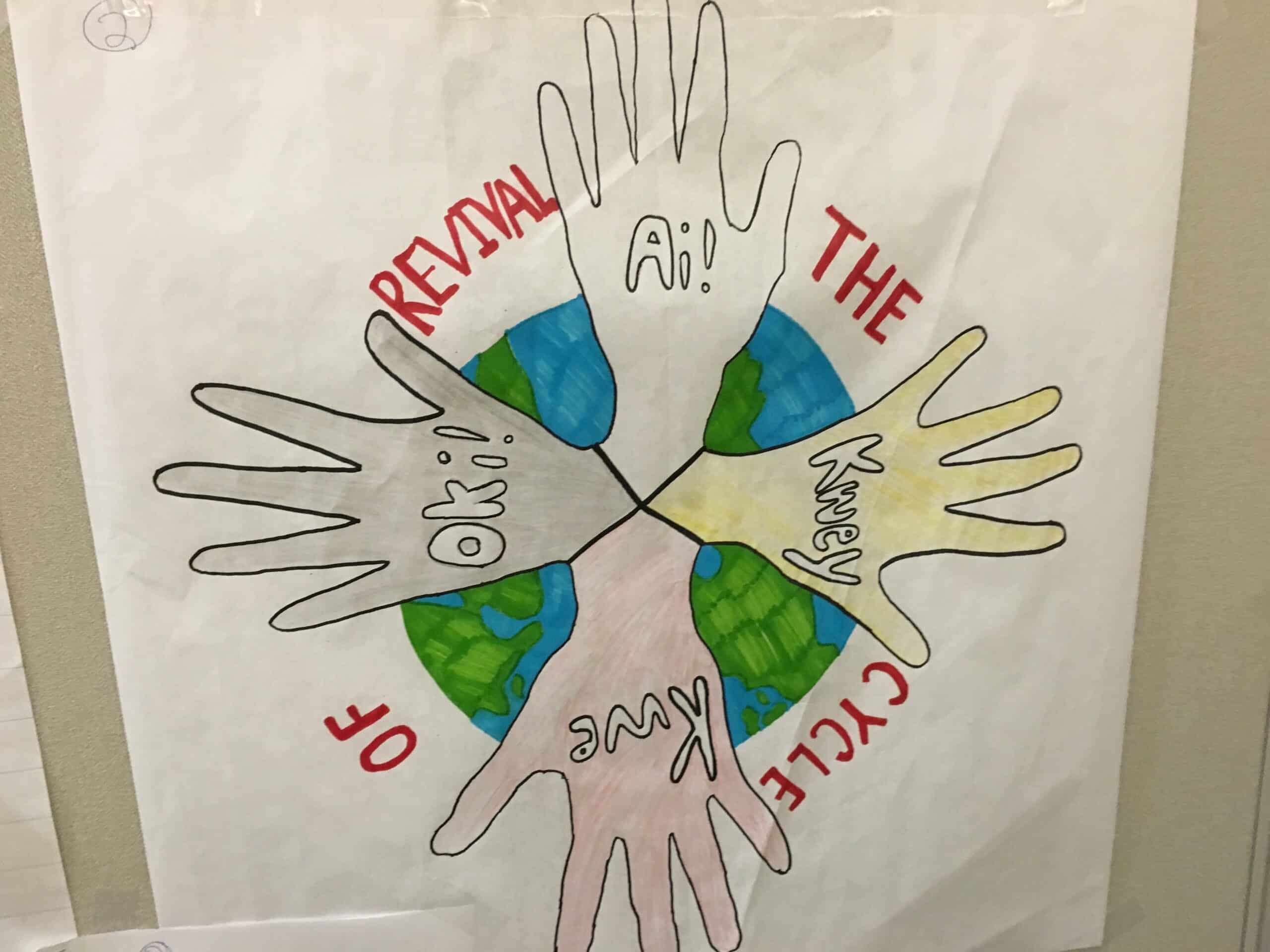
And as the First Nations Holistic Lifelong Learning Model informs us, learning is a continuous process throughout our lives, so we could use the Change Paradigm many times as we adapt to new circumstances.
The Change Paradigm can be applied to education, with the objective of achieving beneficial changes for both individuals and communities through the creation of a Plan for Student Success.
In order to plan for student success, it is important to measure performance. Performance measurement in education is the process of determining how much or how often an event, action, or behaviour occurs. The fact is, we’re always engaged in some type of performance measurement in our daily lives. Consider the following. We may ask questions like:
- Are you feeling better today?
- Is my child taller this month?
- Is your exercise and diet program working?
When we ask questions like these, our answers are measuring performance. Our answers may be quantitative, in terms of numbers, (centimetres of snow, for example); or qualitative in terms of descriptions (better or much better or worse or much worse, for example). Answers to the questions above might be:
- Are you feeling better today? Much worse.
- Is my child taller this month? One centimetre taller!
- Is your exercise and diet program working? Lost 3 kilograms in 2 months!
Plain Talk 15 | Plan for Student Success
Why Do We Measure?
We measure to make reasonable and accurate assessments of events, characteristics and changes. In an educational setting, for example, we could measure:
To understand and compare: Where we are with respect to a statistical standard?
To improve: This could be a school curriculum or grades in a course.
To show: That a program or strategy is working.
To determine: Was something was accomplished?
To compare: For example, our educational system to an ideal like the Plain Talk 18 First Nations Holistic Lifelong Learning Model.
To record: This could be acquisition or use of First Nation language or skills in traditional activities.
To track: For example, enrolment of First Nations members in postsecondary education or the use of First Nation language use in First Nation schools. Take a look at Plain Talk 10, First Nations Performance Indicator Checklist
Plain Talk 15 | Plan for Student Success
What Can Be Measured?
With respect to education, we can measure anything that’s important to a community and its members. These measurements are usually called indicators or performance indicators. Plain Talk 10 First Nations Performance Indicators Checklist contains examples of indicators that a community might want to explore and measure to improve their educational systems.
There are two types of indicators: outcome and delivery.
Outcome indicators measure performance as recorded, by standardized tests, and expressed in numbers or percentages. For example, percent of students who graduate from high school.
Delivery indicators are events or actions that may have a significant impact, positive or negative, on outcome indicators. For example, the quality and number of First Nation-speaking teachers, which can have a profound influence on the ability of students to speak the First Nation language.
Adopting and taking control of measurement systems in education has many advantages. However, the point of measurement is not just to measure, it’s to use the measurement system to show achievement of the vision of holistic lifelong learning, or to show what needs to be addressed in the future. For First Nations, the results of measurements of indicators might be compared to:
a) the ideal of the Plain Talk 18 First Nations Holistic Lifelong Learning Model;
b) the results of a previous measurement of the same indicator; or
c) the results of another group (other First Nations or national or provincial standards).
Plain Talk 15 | Plan for Student Success
3-Step Plan for Improving Student Success
One of the most important aspects of measuring success is recognizing that there are a variety of ways to do so effectively. For example, according to Derrick Baxter, President and CEO, Ogoki Learning Inc.,”Language success can be measured by our Elders—have children have a conversation or participate in traditional practices such as hunting.”
Planning for student success should incorporate holistic forms of assessments. This means that information can come from multiple perspectives that are equally valued to that of the teacher. This helps First Nations to move away from teachers being the only assessors and adds diversity. Including the perspectives of parents, communities, and Elders, helps to create more integrated support for learners.
Plain Talk 15 | Plan for Student Success
Step One: Identifying Where Are We Now?
Several components of the It’s Our Time First Nations Education Tool Kit can provide some of the information needed to answer where are we now? Plain Talk 10 First Nations Performance Indicators Checklist lists characteristics that may be considered important to a community’s education system. A review of these characteristics can help form a summary of where are we now? A completed Checklist provides a profile of the current situation, identifying and measuring areas that are in good shape as well as those that may require attention.
Plain Talk 10 First Nations Performance Indicators Checklist is a strong starting point, having over 130 items organized into 17 categories. Consultation with members of the community can identify additional characteristics that might be important to the community.
Examples of what characteristics might be important to a First Nations community’s school system include:
- Teachers and students can speak a First Nations language;
- Resources and materials are available in the school library;
- Teachers are highly skilled and qualified;
- Schools provide multiple levels and methods of student support;
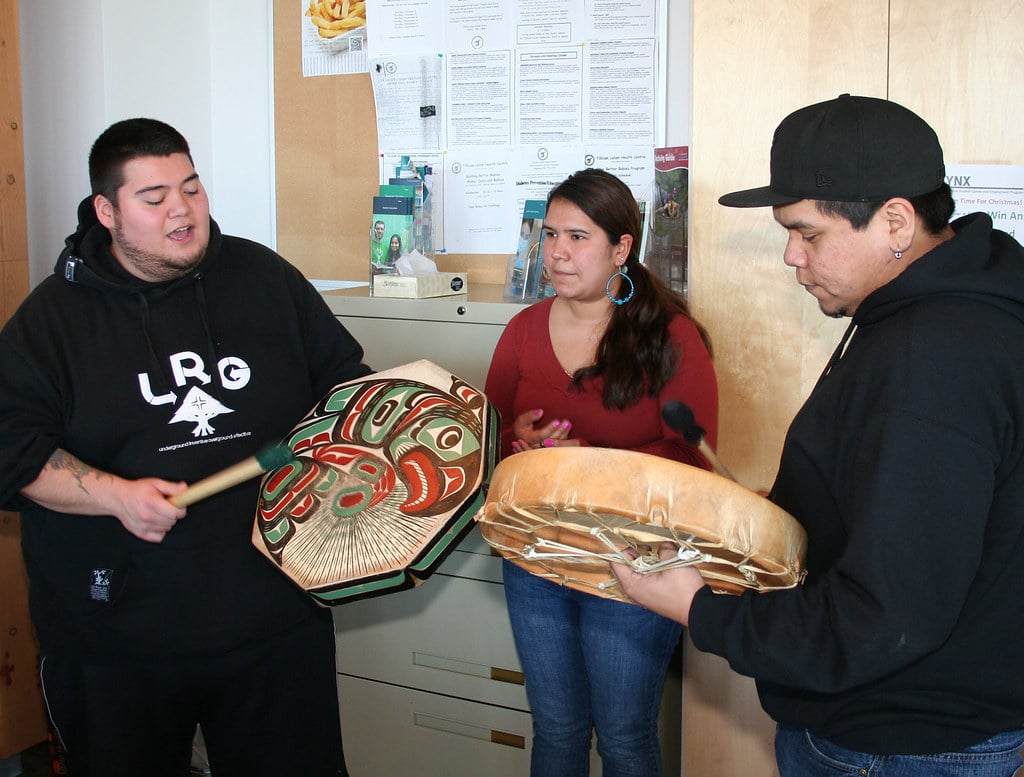
- Students have opportunities to hear legends and stories;
- Cultural materials are integrated into the school;
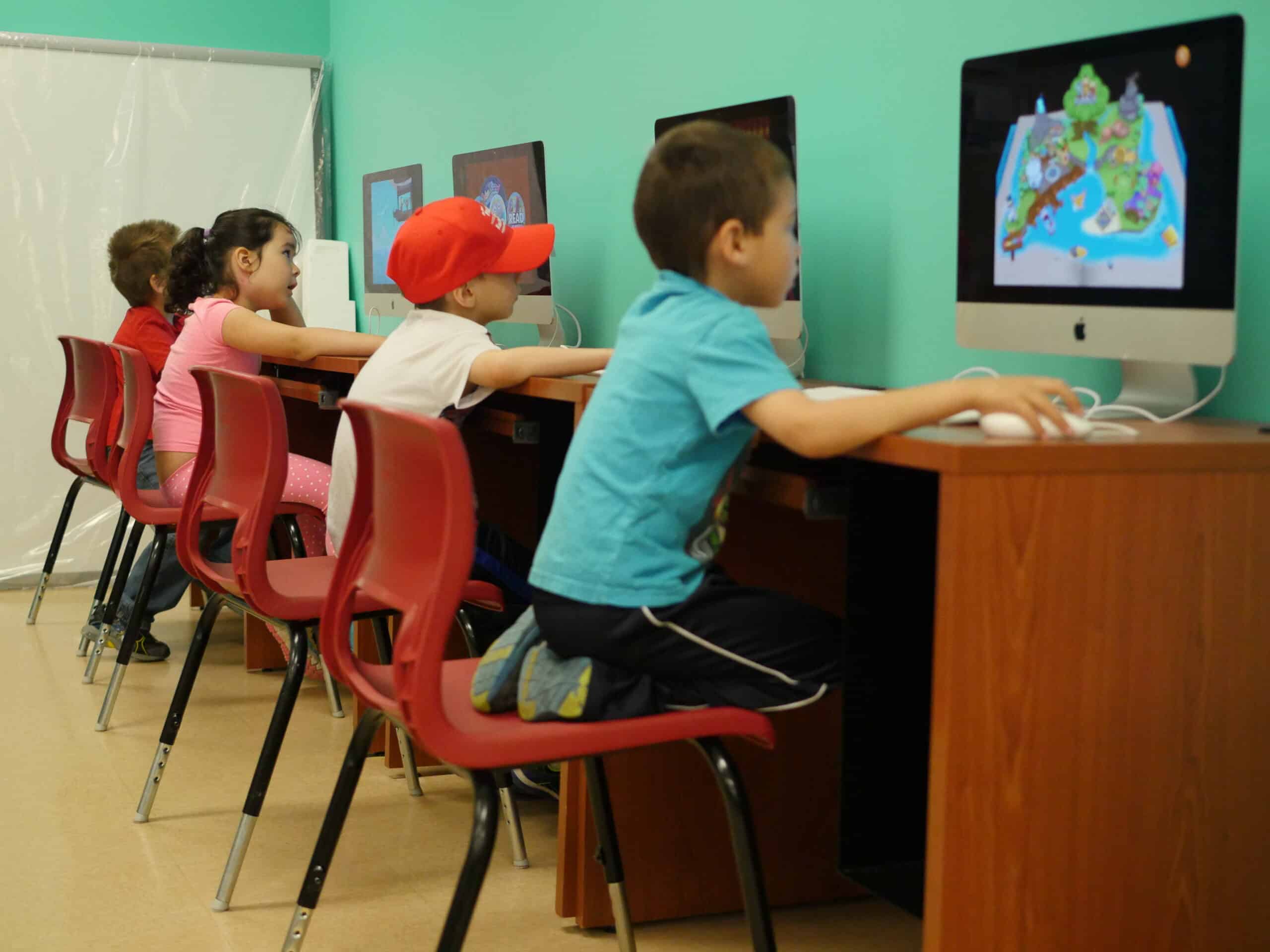
- Computers are available;
- Schools build personal identity and self-esteem;
- Elders are involved in school activities; and
- The school curriculum has a First Nations perspective.
Plain Talk 15 | Plan for Student Success
Step Two: Projecting Where Do We Want to Be?
The characteristics examined in Plain Talk 10 First Nations Performance Indicators Checklist can help describe a community’s goals. A review of these characteristics can generate a summary of the question: where do we want to be? Areas that need attention can be ranked according to a community’s priorities and capacities.
The First Nations Holistic Lifelong Learning Model is a key resource for articulating a vision for the future of the community’s education system. The sources and domains of knowledge as well as the collective well-being sections of the Model provide key insights and ideas.
As with where are we now?, consultations, discussions and interviews with community members can lead to solid decision making for the future.
Plain Talk 15 | Plan for Student Success
Step Three: Consolidating How Do We Get There?
The last step of creating a Plan for Student Success describes what has to be done, what resources and materials are needed, what expertise must be acquired, where funding might come from, what must be done to work toward the goals of where do we want to be?
The First Nations Holistic Lifelong Learning Model is a source for direction and ideas for implementing a Plan for Student Success. For example, the Model describes that important knowledge resides in family, clan, community, nation, other nations, traditions and ceremonies, and First Nations languages. In addition, the Model explains that the wisdom of parents, Elders, teachers, mentors, counselors and other respected members of the community is all important and supports lifelong learning.
Keep in Mind
A Plan may focus on one particular age group in the community, in which case it may be necessary or desirable to use the Change Paradigm to create different Plans for other age groups.
A Plan for Student Success is developed to address particular conditions. That means that all Plans for Student Success have to be evaluated to determine whether the Plans worked out and produced the results or outcomes expected. If the Plain Talk 10 First Nations Performance Indicators Checklist was the basis for developing the summary of where are we now?, the Checklist could be used again at the completion of a Plan to identify areas that improved. Once that information is available, a new Plan can be created to address other issues or address the same issues in another way.