Plain Talk 13Role Models
Plain Talk 13 | Role Models
Chapter 1
What it Takes to be a Role Model
This chapter will provide the reader a deeper understanding for why role models are so important. It will try to explain how role models help guide people in the right direction as they make life decisions, they provide inspiration and support when needed, and they provide examples of how to live a fulfilling, happy life. When observing the behaviour, decisions or actions of a role model, individuals learn how to display positive personality characteristics and moral traits. Role models inspire us—if they can do it, we can do it.
Plain Talk 13 | Role Models
Who are Role Models?
People are people. Some people are famous. Some people are not. Some people are nice and do good things. Some people do not. Some people soar. Some people struggle.
Some of these very people—the famous and the not so famous, the nice and the not so nice—those with wings and those without—some of these people are Role Models.
Questions guide us in life, influence our choices, strengthen our ability to take advantage of opportunities and help us find and fulfill our sense of self.”
— Senator Murray Sinclair
Plain Talk 13 | Role Models
Role Models are people who are inspiring, admired and looked up to—people with exceptional personal characteristics. These personal characteristics cover a very broad range of behaviours, activities, attributes and beliefs, including:
- spiritual
- sense of values
- culturally connected
- creative
- artistic
- athletic
- compassionate
- giving
- achievement-oriented
- community-oriented
- committed to human rights
- hard-working
- competitive
- cooperative
- social consciousness
- career success
- songwriter
- famous
Plain Talk 13 | Role Models
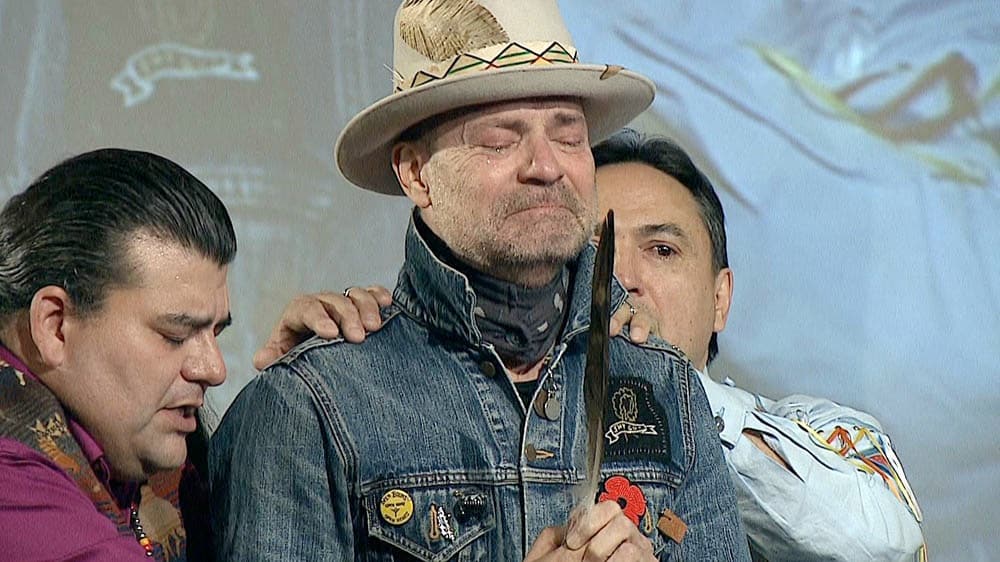
Role Models are complex people, with different mixes of personal characteristics.
Role Models can have powerful effects on us—as motivators, guides, examples, and energizers.
Role Models can give us the incentive and drive to develop our talents and abilities. They can give us the strength to face challenges, to carry burdens, to overcome obstacles. They give us the strength to keep going, the wings to dream big, and the confidence to aspire to more.
Everyone, not just young people, can have a Role Model. But one size does not fit all. Since we are all individuals, with different perspectives, attitudes and views, no single person is likely to be a role model for everyone.
Plain Talk 13 | Role Models
Inspire
There are many powerful First Nations men and women who are recognized as Role Models and many of these role models have been recognized by Indspire.
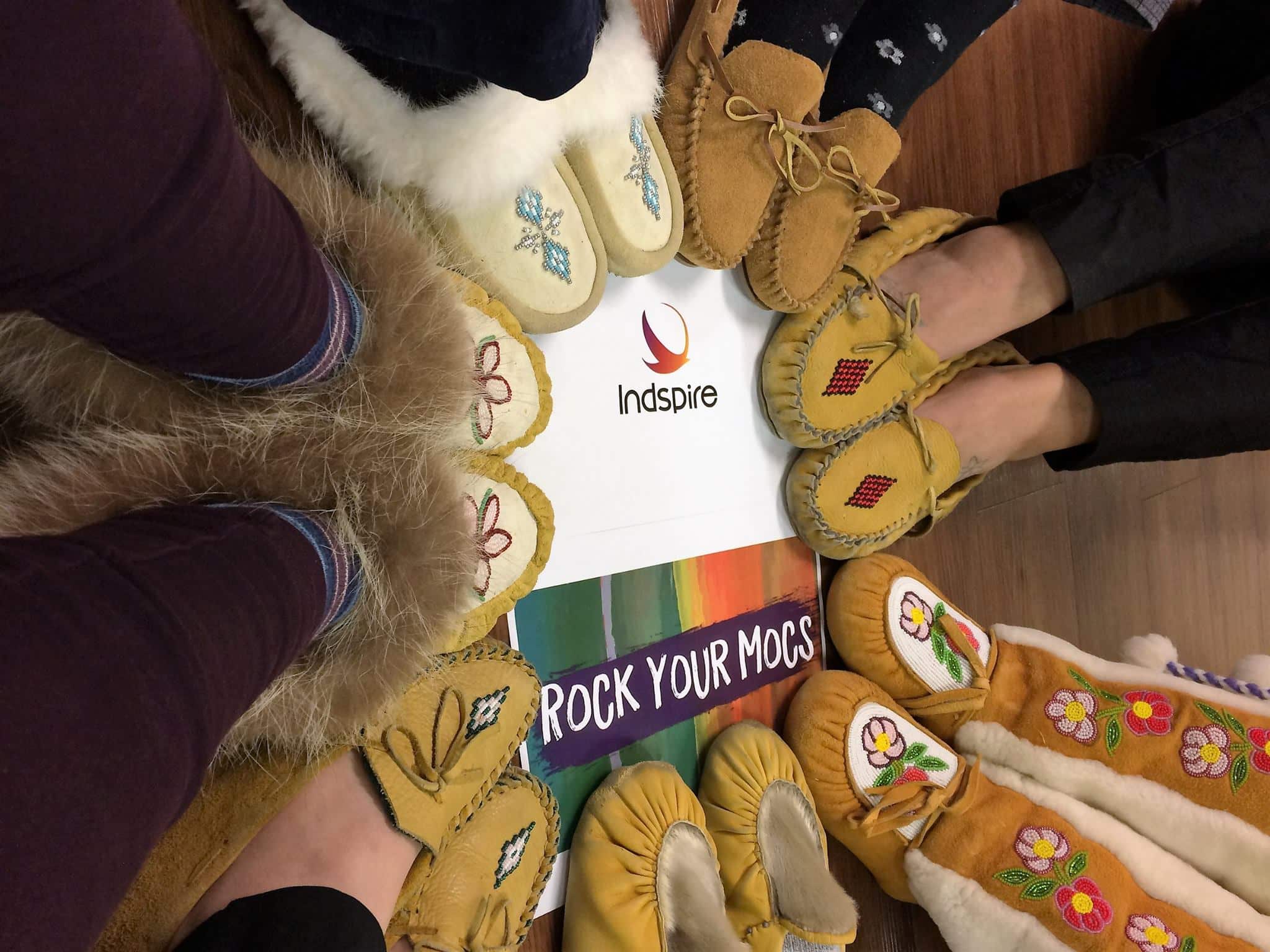
Indspire is an Indigenous-led registered charity that invests in the education of Indigenous people for the long term benefit of these individuals, their families and communities, and Canada.
Vision: Enriching Canada through Indigenous education and by inspiring achievement.
Mission: In partnership with Indigenous, private and public sector stakeholders, Indspire educates, connects and invests in Indigenous people so they will achieve their highest potential.
Plain Talk 13 | Role Models
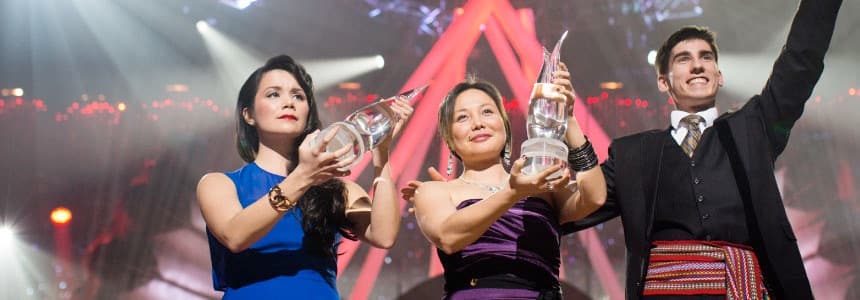
Indspire is led by Indigenous people for Indigenous people. They serve First Nation, Inuit, and Métis students in remote communities and urban centres across Canada.
With the support of funding partners, Indspire disburses financial awards, delivers programs, and shares resources with the goal of closing the gap in Indigenous education.
Indspire’s K-12 Institute is a virtual resource centre that serves educators, communities, and other stakeholders who are committed to improving kindergarten to grade 12 success for Indigenous youth.
Indspire is the largest funder of Indigenous education outside the federal government: to date, Indspire has awarded $79 million through close to 25,000 bursaries and scholarships to Indigenous students.
Each year, they present the Indspire Awards, a nationally broadcast, gala celebration of the successes achieved by Indigenous people.
Plain Talk 13 | Role Models
Role Models
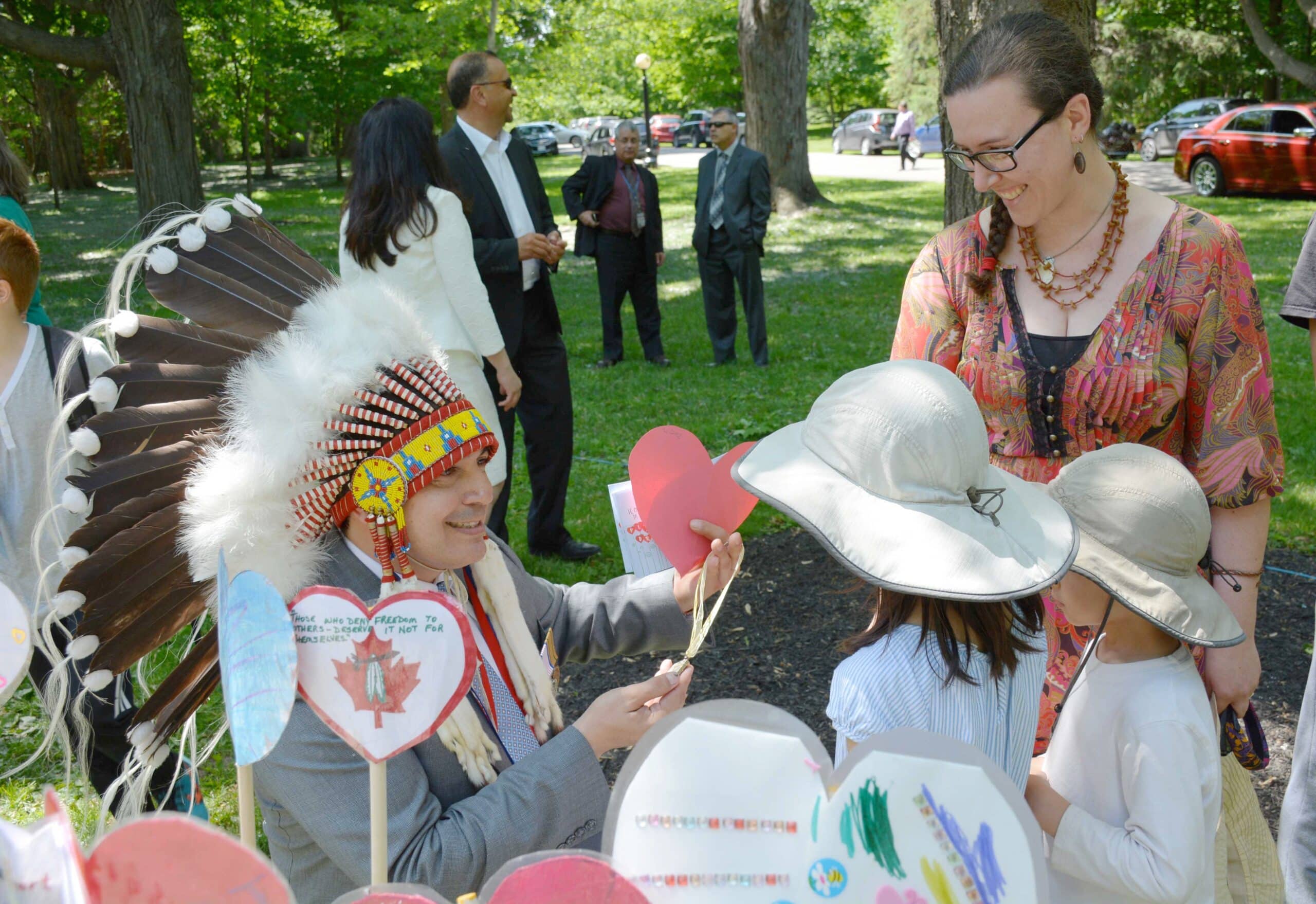
Here are a few First Nations role models. This list is by no means exhaustive, but gives an idea of some of the great work accomplished across the nations.
Role models are authentic individuals who are true to their identities. They give others the courage to push beyond their own potential, opening the door to new possibilities.”
— James Makokis, the National Spokesperson for the National Aboriginal Role Models Program
Plain Talk 13 | Role Models
Tap below to jump to a specific role models biography
Adam Beach
Grand Chief Edward John
Cindy Blackstock
Frederick G. Sasakamoose
William Commanda
Dr. Marie Ann Battiste
Norval Morrisseau
Reggie Leach
Taiaiake (Gerald) Alfred
James (Sakej) Youngblood Henderson
Tina Keeper
Chief Clarence Louie
Tomson Highway
Rose Marie “Tantoo” Cardinal
Allen Sapp
Daphne Odjig
Buffy Sainte-Marie
Graham Greene
Chief Billy Diamond
Rita Joe
Elijah Harper
George Manuel
Waubgeshig Rice
Mr. François Paulette
Leela Gilday
Shannen Koostachin
Waneek Horn-Miller
Romeo Saganash
John Kim Bell
Thomas George “Tommy” Prince
Plain Talk 13 | Role Models
Adam Beach, Adam Beach Film Institute, President & Founder
Lake Manitoba First Nation, Manitoba
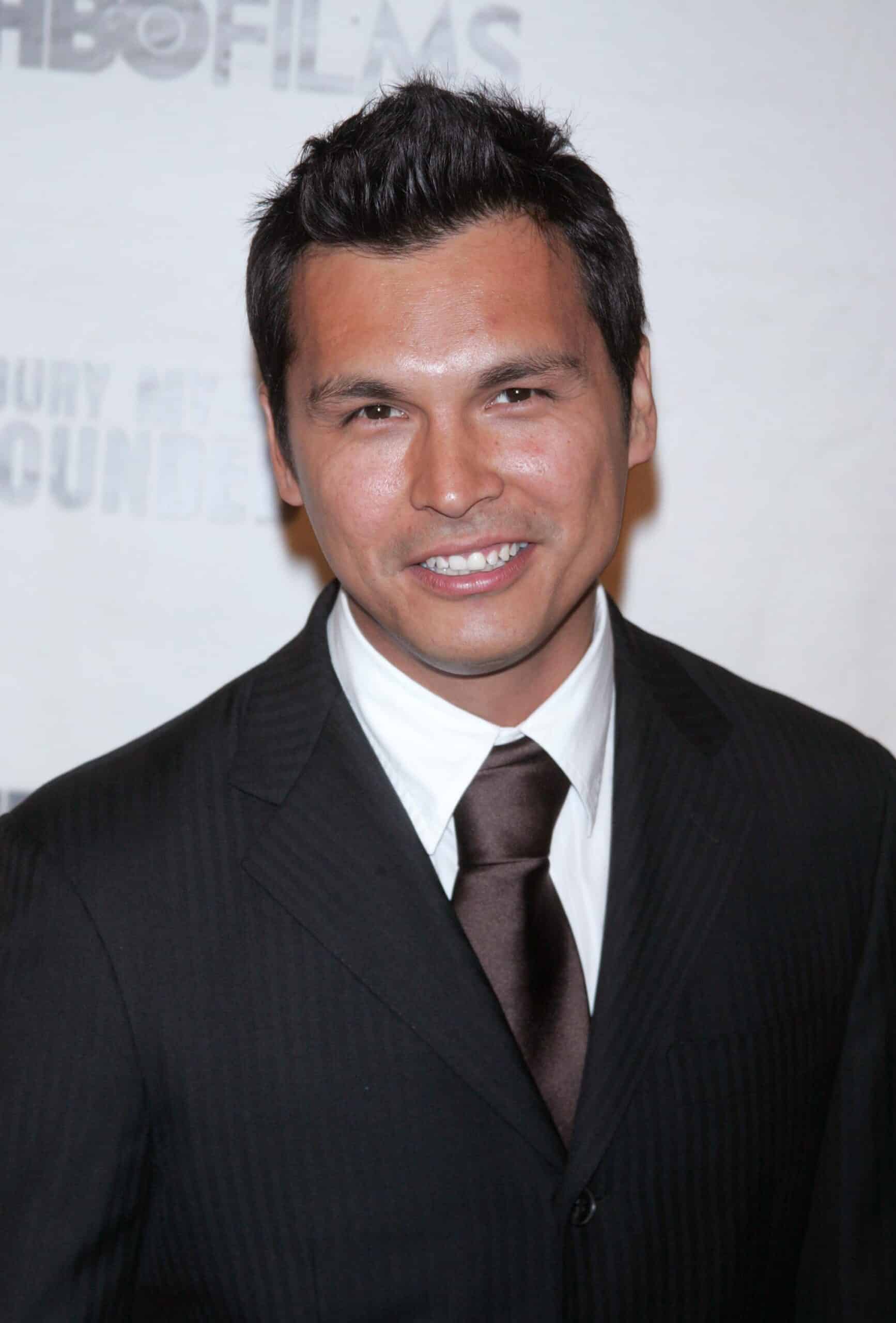
Adam is living proof that Aboriginal youth can achieve their dreams and change the world. He has appeared in over 60 films and television programs. One of his more memorable performances was as Ira Hayes, a Pima Native American, in the Academy Award-nominated Clint Eastwood directed Flags of Our Fathers (2006). Adam, like many Native Americans living today, knows the challenges we face as the first peoples of this continent, but he is committed to sharing his dreams and vision of a better future through film and storytelling for our youth. He will be teaching everything he knows through his very own Master Acting Class.
Adam Beach was born in Ashern, Manitoba. As a member of the Saulteaux First Nations, Adam’s lived his early years with his two brothers on the Lake Manitoba/Dog Creek First Nation Reserve at Lake Manitoba.
I’m not gonna fail. I’m tired of failing. I’m tired of seeing our people fail. I don’t believe in failure. It’s what we put in our minds and our hearts to succeed. And success isn’t about money. Success isn’t about the biggest house in the world. Success is about loving your family, taking care of your child.”
-Adam Beach
Plain Talk 13 | Role Models
Grand Chief Edward John (Akile Ch'oh)
Northern Dene, British Columbia
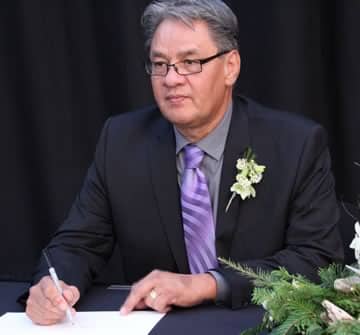
Grand Chief Edward John is a Hereditary Chief of Tl’azt’en Nation located on the banks of the Nak’al Bun (Stuart Lake) in Northern BC. He is an Indigenous leader who has dedicated his life to the pursuit of social and economic justice for Canada’s Indigenous people, having worked as a leader in Indigenous politics, business and community development.
Chief John has been a lawyer for more than 30 years. He holds a B.A. from the University of Victoria, an LL.B from the University of British Columbia and an Honorary Doctor of Laws degrees from the University of Northern British Columbia and the University of Victoria.
Chief John has served in many leadership roles at the local, provincial, national and international levels. Chief John is currently serving his eleventh consecutive term on the First Nations Summit Task Group (political executive), which is mandated to carry out specific tasks related to Aboriginal Title and Rights negotiations with British Columbia and Canada and other issues of common concern to First Nations in British Columbia. He is a former Co-Chair of the North American Indigenous Peoples’ Caucus and participated in the development of the Declaration on the Rights of Indigenous Peoples which was adopted by the United Nations General Assembly in September 2007. He recently concluded serving two terms as a North American Representative to the United Nations Permanent Forum on Indigenous Issues (January 2011 – December 2016). He also recently concluded his 14 month appointment as Special Advisor on Aboriginal Child Welfare to the BC Minister of Children and Families with the release of his final report entitled “Indigenous Resilience, Connectedness and Reunification – from Root Causes to Root Solutions: A Report on Indigenous Child Welfare in British Columbia”.
Plain Talk 13 | Role Models
Cindy Blackstock
Gitksan Nation, British Columbia
Cindy Blackstock has worked in the field of child and family services for over 20 years. She is the Executive Director of the First Nations Child & Family Caring Society of Canada (FNCFCS). Under her leadership, the Assembly of First Nations launched a Canadian Human Rights Tribunal against the Canadian Government on charges that it is racially discriminating against First Nations children and their families by providing less child welfare funding and benefits that other Canadian children receive. This case is one of the most formally watched legal actions in Canadian history with over 15,360 individuals and organizations paying close attention. Jordan’s Principle, an initiative to change policy so that First Nations children receive equitable funding for services received the formal support of over 10,623 Canadians and organizations making it one of the most broadly supported children’s policy movements in Canadian history. She is also part of a team supporting Shannen’s Dream for equitable education.
Cindy is changing the mindsets of citizens towards First Nations and their treatment by government. After playing a leading role in passing a historical law, Jordan’s Principle, a child-first principle to resolve jurisdictional disputes involving the care of First Nations children, Cindy is now leading the most publicly watched case in Canadian history (2016). She is presenting a case in front of Canada’s Human Rights Tribunal against the Canadian government. Cindy’s goal, regardless of the final decision, is to engage a critical mass of Canadians in the cause of First Nations child welfare and highlight the current discrimination in health and education of First Nations families across Canada to further influence national policy.

Plain Talk 13 | Role Models
Fredrick G. Sasakamoose
Ahtahkakoop First Nation, Saskatchewan
Fred Sasakamoose became the first Aboriginal and Treaty Cree person to play for the National Hockey League (NHL) when he joined the Chicago Blackhawks in 1953-1954. His involvement in the NHL led toward the creation of recreational opportunities for children in his First Nation community of Ahtahkakoop but also across the province and the country. He became active in the promotion and development of sports programs for Indigenous and non-Indigenous youth and organized and directed the Fred Sasakamoose Hockey School. He served on the National Hockey League’s Ethnic Diversity Task Force where he helped advance the recreational opportunities for disadvantaged children. He was a Band Councilor on the Ahtahkakoop Reserve for 35 years and is currently employed as a Senator with the Federation of Saskatchewan Indian Nations. He is an enthusiastic volunteer and chaperone, an Elder with the community school, and remains heavily involved in the community.
Frederick grew up on the Ahtahkakoop Indian Reserve in Saskatchewan and learned to play hockey at an Indian residential school in Duck Lake. In 1953 he was selected as the most valuable player in the junior Western Canada Junior Hockey League.
Plain Talk 13 | Role Models
William Commanda
Algonquin, Quebec
Elder, shaman, prophesy holder, historian, environmentalist and master canoe maker William Commanda passed away in 2011 at the age of 97. Known by everyone as Grandfather, he is highly regarded in the Aboriginal community throughout Turtle Island and around the world. This revered Elder worked tirelessly to promote responsible environmental stewardship, racial harmony, and cultural understanding. One of his books, Learning from a Kindergarten Dropout, contains lessons and teachings for all of us. Grandfather Commanda has been honoured for many outstanding achievements. He is acknowledged as a master canoe builder and built more than 75 birch bark canoes including one for Queen Margrethe of Denmark. He holds an honorary doctorate degree and was appointed an Officer of the Order of Canada. Some describe Grandfather Commanda as North America’s Dalai Lama. His vision, for which he was a tireless advocate, is the creation of an Indigenous healing and peace-building centre on Victoria Island, the ancient meeting place of his ancestors in the national capital region of Canada.

Plain Talk 13 | Role Models
Dr. Marie Ann Battiste
Mi’kmaq Potlotek First Nation in Cape Breton, Nova Scotia
Dr. Marie Ann Battiste is known as a change agent, a public intellectual, and a guru of education. A world-class scholar, she reached the summit of education, studying and teaching in some of the world’s top universities. She is the author of books and essays that have inspired the renaissance of Indigenous education.
She, along with a few others, set the foundation for Native studies in North America by developing courses that inspire respect for Indigenous knowledge, teachings, languages and heritage. Through all of her intellectual discourses and writings, it is the Mi’kmaq teachings that guided her own learning and achievements.
Plain Talk 13 | Role Models
Plain Talk 13 | Role Models
Norval Morrisseau
Ozaawaabiko-binesi, Ojibway Beardmore, Ontario
Also known as Copper Thunderbird, and as the Picasso of the North, Norval Morrisseau was a grand shaman and a great artist. His mission was always to instill pride in his people which he did by leading generations of aspiring artists to a world of powerful color and spirit embodied in the thousands of paintings he created over nearly 50 years. He has had major exhibitions across Canada and around the globe including the Indians of Canada pavilion at Expo 67, and the Magicians of the Earth exhibition in Paris in 1989. In 2006, he became the first First Nations artist to have a retrospective exhibition at the National Gallery of Canada. He holds several honorary doctorates, is a recipient of the Canada Centennial Medal, a member of the Royal Canadian Academy of Art, and holds the Order of Canada. He was acknowledged as Grand Shaman of the Ojibwa in 1986.
Plain Talk 13 | Role Models
Reggie Leach
Ojibway, Beren’s River First Nation, Manitoba
Playing 14 seasons in the NHL, Reggie Leach, the first First Nations player to reach super-star status, was a goal scorer who was the first NHL player to ever reach 80 goals in a season, including play-offs. Now, he is an even bigger champion for a generation that is too young to recall the right-winger’s record breaking games and legendary 115 mph slap shot. His achievements have inspired junior and amateur hockey players worldwide. He is in the Manitoba Hockey Hall of Fame and the Philadelphia Flyers Hall of Fame. He has received a National Aboriginal Achievement Award and the Order of Manitoba, plus he is a national best-selling author with his book “The Riverton Rifle: My Story by Reggie Leach” where he shares how despite poverty, he worked towards reaching his goals. Reggie is most proud of his work today where he enjoys teaching hockey skills to Aboriginal youth and speaking about making positive life choices. He says “Whatever choice you make, own that choice. Good or bad. Take responsibility”.
Plain Talk 13 | Role Models
Taiaiake (Gerald) Alfred
Kaien’kehaka, Mohawks of Kahnawake, Quebec
In the academic world, few stand taller than Taiaiake Alfred. At 18, and interested in seeing the world, he joined the United States Marines and served tours of duty in Asia and Central America. Upon his return, he enrolled at Concordia University in Montreal and began an academic journey that eventually led him to Cornell University in New York where he completed his MA and PhD. A prolific author of hundreds of articles and three books on Indigenous governance— including the groundbreaking Peace, Power, Righteousness: An Indigenous Manifesto (1999)—Mr. Alfred is the founding director of the Indigenous Governance Program at the University of Victoria, the world’s first graduate program to offer an MA and a PhD in Indigenous Governance. Through his writing, lectures, community work and teaching Mr. Alfred continues to work for a brighter future for Indigenous peoples in Canada.
Plain Talk 13 | Role Models
James (Sakej) Youngblood Henderson
Chickasaw/Cheyenne Nations, Saskatchewan
James (Sakej) Youngblood Henderson is a leading Aboriginal lawyer, statesman, and strategist. In 1974, he was one of the first American Indians to receive a Juris Doctorate in law from Harvard Law School. He is driven to see that Indigenous ways of life are represented in society. His work reflects his belief that Indigenous peoples need to step up and take their place in all institutions to ensure that their voices, aspirations, and wisdom are heard.
He is a widely published and hugely respected author of books, scholarly articles, conference proceedings and technical reports. He was a key member of the team that drafted the United Nations Declaration of the Rights of Indigenous Peoples. He has served as an Advisor to the Minister of Foreign Affairs and International Trade, a member of the Canadian Commission to UNESCO, on the International Commission of Jurists, and the UN Commission on Human Rights. Under his direction the Native Law Centre of Canada at the University of Saskatchewan has become a world-renowned legal research and legal studies centre.
Plain Talk 13 | Role Models
Tina Keeper
Norway House Cree Nation, Winnipeg, Manitoba
Tina Keeper is Cree, originally from Norway House Cree Nation, now a Winnipeg based media producer. She is President of Kistikan Pictures, a partner company to Buffalo Gal Pictures. Tina was formerly an actor, best known for her work on the hit Canadian series “North of 60”. Recent productions include the feature film, Road of Iniquity, the critically acclaimed Royal Winnipeg Ballet, Going Home Star (2014) about the Indian Residential School history in Canada, The REDress REdress Project (2013) a short documentary on the issue of Murdered and Missing Aboriginal women in Manitoba and the APTN drama series, Cashing In (2014) which follows the high stakes gaming at North Beach Casino. Upcoming feature film production for Kistikan is Through Black Spruce based on Joseph Boyden’s Giller prize winning novel.
Tina also served as a Member of Parliament for the federal riding of Churchill.
Tina has a BA Theatre from the University of Winnipeg and has trained at the Centre for Indigenous Theatre, the Banff Centre and the Sundance Film Institute
Tina currently serves as Chairperson of the board of trustees for the Helen Betty Osborne Memorial Foundation, member of the advisory Committee to Urban Shaman Gallery, the advisory committee to Red Cross Manitoba, Honourary Witness for the Truth and Reconciliation Commission, and is member of the Order of Manitoba, Canadians for a New Partnership, a recipient of an Aboriginal Achievement Award, a Gemini Award, 3 American Indian Film Festival awards for acting and producing, a 2014 Canadian Civil Liberties Association award for Public Engagement, was named ACTRA’s 2017 Women of the Year, and in June 2017, Tina will receive an Honorary Doctor of Letters from Wilfred Laurier University.
Plain Talk 13 | Role Models
Chief Clarence Louie
Osoyoos Indian Band, British Columbia
Chief Louis understands that economic development is the way of the future. Since 1985, when he first become Chief, he has consistently emphasized economic development as the fundamental method for improving his people’s standard of living. His Band has become a multi-faceted corporation that owns and manages numerous successful businesses including a golf course, a construction company that builds both on and off reserve commercial and residential projects, a forestry company, the largest privately owned vineyard in Canada, a convenience store, and a residential and agricultural leasing company. Under his leadership the band continues to increase its revenue, reduce its need for social assistance and see virtually zero unemployment. One of the band’s largest projects has been its eco-tourism resort campground and RV Park. The cash flow generated from the businesses helps fund the Medication Fund, the Adult In-Home Care Program, a Recreation Complex, an Education Fund and a Patient Travel Fund. Ecology remains a high priority for Chief Louie with 890 acres set aside for water quality, fish and wildlife protection. Chief Louis has been recognized for his work with many honours and board memberships. He was profiled in Maclean’s Magazine as one of 50 Canadians to Watch.
Plain Talk 13 | Role Models
Plain Talk 13 | Role Models
Tomson Highway
Cree, Barren Lands First Nation, Brochet, Manitoba
Multiple award winner, holder of the Order of Canada, Tomson Highway has shaped the development of Indigenous theatre in both Canada and around the world. His plays, including Dry Lips Oughta Move to Kapuskasing, The Rez Sisters, The Sage, and The Dancer and the Fool, have been translated into numerous languages making them a window on Canada’s Indigenous reality for the rest of the world. Highway has been writer-in-residence at the University of Toronto, University of British Columbia, and Concordia University. He has the distinction of being the librettist of the first Cree language opera, Pimooteewin: The Journey. He helped establish Native Earth Performing Arts, Canada’s first Indigenous theatre company and was artistic director for six years. In addition to his writing, he is also an accomplished musician. The proud son of a caribou hunter, who was born off a trap line in isolated northern Manitoba, Highway is trilingual, speaking French, English and Cree.
Plain Talk 13 | Role Models
Rose Marie “Tantoo” Cardinal
Métis, Anzac, Alberta
Tantoo Cardinal is one of the most renowned Indigenous actresses in the world. Probably best known for her role as Blackshawl in Dances With Wolves, she also appeared in many films and television series, including Spirit Bay, Black Robe, Legends of the Fall, Smoke Signals and North of 60. She infuses her characters with warmth and honesty. Her strength stems from her upbringing in her Métis culture. Ms. Cardinal moved to Edmonton to finish her high school education, where her ability to overcome racist taunts and other hardships in the unfamiliar city became the basis of the confidence and charm that she now exudes on stage and screen. In 2009, she became a Member of the Order of Canada. On August 23, 2011, she was one of many arrested while protesting the proposed extension of the Keystone Pipeline. Most recently, she performed the role of Regan in an all-Indigenous production of William Shakespeare’s King Lear at the National Arts Centre in Ottawa. Ms. Cardinal has amassed a long list of awards and holds an Honorary Doctorate of Fine Arts from the University of Rochester.
Plain Talk 13 | Role Models
Allen Sapp
Red Pheasant Reserve, North Battleford, Saskatchewan
Allen was born in 1928 on the Red Pheasant Reserve, south of the city of North Battleford. His mother suffered tuberculosis and eventually died during his adolescence.
Allen was raised by his maternal grandparents, Albert and Maggie Soonias. In 1966 he met Dr. Allan Gonor, which marked the beginning of his commercial success. Dr. Gonor recognized Allen’s talent and encouraged him to paint what he knew – life on the reserve. By the 1970s Allen’s work was known across North America and as far away as London, England. It was Dr. Gonor’s vision that a public gallery be dedicated to the art of Allen Sapp and through a donation by his wife, Ruth Gonor, The Allen Sapp Gallery – The Gonor Collection opened in 1989 in North Battleford, Saskatchewan.
Allen was for the most part a self-taught artist. He is said to have worked “instinctively” with a photographic memory; painting the pictures he saw in his mind. His paintings tell a personal story, but many appreciate them for their ability to go beyond that and represent a generation of Cree people and many other prairie inhabitants of the same era. His work allows viewers to reflect upon the hardships of the past and remember friendship and family, as well as a less complicated way of life. Allen’s paintings masterfully depict First Nations culture, the simple elegance of rural life, and the beauty of Saskatchewan.
Prior to is death, Allen visited the gallery frequently and toured schools and cautioned youth to stay away from drugs and alcohol. He very much enjoyed his time with the youth showing them his paintings and the life of the Cree people, the old ways. He shared the teachings that were taught to him by his grandparents, and engaged the youth with song, and he would invite them to try his drum. His visits always ended in friendship, hands clasped together, dance in the circle to the rhythm of the drum
Plain Talk 13 | Role Models
Daphne Odjig
Wikwemikong Unceded Indian Reserve,
Manitoulin Island, Ontario
Daphne Odjig never expected to pursue a career as an artist, even though her talent was apparent even as a child. Now, her art is shown in museums, galleries and art collections throughout Canada and the world. It wasn’t until the 1960s, with her pen and ink drawings of the Cree people of northern Manitoba, that the art world first took notice. Since then, she has had over 30 solo exhibitions and has been part of over 50 group exhibitions. Her work is in the collections of the Canada Council Art Bank, Canadian Museum of Civilization, Tom Thompson Gallery, McMichael Canadian Collection, and the Government of Israel. Ms. Odjig has received many honours including an Honorary Doctorate of Letters from Laurentian University, and an Honorary Doctorate of Law from the University of Toronto, and the Order of Canada.
Plain Talk 13 | Role Models
Plain Talk 13 | Role Models
Buffy Sainte-Marie
Cree, Piapot First Nation, Saskatchewan
Buffy Sainte-Marie is an Academy Award-winning singer and songwriter. She has recorded 15 albums, and composed music for several films. Her song, Until It’s Time for You to Go, has been recorded by more than 200 artists in 16 languages. Ms. Sainte-Marie earned a BEd, and later a PhD in Fine Arts, from the University of Massachusetts. She was a regular for five years on the television show Sesame Street and was instrumental in creating a new Aboriginal music category for the Juno Awards. She received the Order of Canada, and was voted into the Juno Hall of Fame. She has a Juno, a Gemini, and holds Honorary degrees from the University of Regina, as well as the Emily Carr Institute of Art and Design, Carleton University, Western University, Ontario College of Art & Design, and the University of British Columbia. She teaches art at the Saskatchewan Indian Federated College, and continues to work for her Nihewan Foundation for American Indian Education and the Cradleboard Teaching Project.
In the 1960’s, her music won international acclaim when her song Universal Soldier became an anthem of the peace movement.
In 1964, she was named Billboard Magazine’s Best New Artist of the Year. She won an Oscar for her song, Up Where We Belong.
In 2015, she was awarded the Polaris Music Prize.
Plain Talk 13 | Role Models
Graham Greene
Oneida, Ohsweken Six Nations Reserve, Ontario
Graham Greene is a legend in the world of Indigenous theatre and movies. As a star with Kevin Costner in Dances with Wolves, Graham Greene got an Academy Award nomination, the adulation of millions of fans worldwide, and the acknowledgement that he is perhaps the world’s best known Indigenous actor. He starred in Tomson Highway’s acclaimed Dry Lips Oughta Move to Kapuskasing and won a Dora Mavor Moore Award for his portrayal of the loveable Pierre St. Pierre. There was a period when he did odd jobs as he hitchhiked across Canada, and worked as a welder and iron-worker. Mr. Greene was selling t-shirts when the call came from Kevin Costner. Mr. Greene, as Kicking Bird, embodied all that is good in Indigenous life and experience. He also received rave reviews from critics and audiences for his roles in Thunderheart, Die Hard 3, Maverick, and The Green Mile. Most recently, he appeared in The Twilight Saga: New Moon as Harry Clearwater. Along the way, Mr. Greene has become a role model for all Indigenous peoples who aspire to a career on the stage and screen.
Plain Talk 13 | Role Models
Chief Billy Diamond
Cree, Waskaganish First Nation, Québec
It is hard to visit Northern Québec without being touched by the work of this Cree business and political leader. You can fly in on Air Creebec, the airline he founded; stay in a home built by the Cree Construction Company Limited, which he started; or drop by Cree Yamaha Motors to test-drive a boat. His world was bleak in the 1940s and 1950s. There was poverty, squalor and tar paper shacks. He was elected Chief in the 1970s, just in time to confront the Government of Québec over the James Bay Hydroelectric Project. He organized national and international media attention to spotlight the plight of the Cree and Inuit of the North; went to the United Nations to argue the Indigenous case; helped found the Grand Council of the Crees of Québec to assist in the battle, becoming its first Grand Chief; and was the prime Cree mover and signatory of the James Bay and Northern Québec Agreement. As a result, the Cree people were awarded $136 million in cash and investment infrastructure that has totaled more than $1.4 billion.
He has long been a leader in the development of Indigenous businesses, providing his people with an essential tool in reaching their goal of self-determination. In the 1980s, Chief Diamond negotiated with Ottawa on behalf of the Assembly of First Nations during the Constitutional talks. Along with a few others, he is largely credited for Section 35, which recognizes Aboriginal rights, finally being placed in the Constitution. A deeply spiritual man, and the subject of the best-selling biography, Chief Diamond has been presented with the Order of Québec and he received a 1997 National Aboriginal Achievement Award in business and commerce. When he died on September 30, 2010, the Globe and Mail said that he was a man who was quiet, but when he spoke, he made Darth Vader sound like Pee-wee Herman and people listened.
Plain Talk 13 | Role Models
Rita Joe
Mi’kmaq, Whycocomagh, Cape Breton, Nova Scotia
Known as the Poet Laureate of the Mi’kmaq people, her words describe who we are. To call her poetry thought provoking does not do it justice. Saying it expresses the pain and plight of Indigenous experience is not enough. These descriptions leave out the hope, beauty and understanding of the world she depicts and represents. Ms. Joe was in her 30s and the mother of eight when she discovered her knack for writing. Disturbed by Indigenous stereotypes that filled the books her children read, she took up a pen. I am the Indian and the burden lies yet with me. People listened. Her books have met with resounding acclaim from both critical and general readers.
A member of the Order of Canada, Ms. Joe is one of the few non-politicians ever called to the Queen’s Privy Council for Canada, entitling her to be called Honourable for the rest of her days. The Honourable Rita Joe is truly the best of who we are.
Plain Talk 13 | Role Models
Elijah Harper
Cree, Red Sucker Lake First Nation, Manitoba
Quiet dignity. That’s how Elijah Harper is perceived in the eyes of Canadians. When he uttered the firm and eloquent “No” that blocked the passage of the Meech Lake Accord in the Manitoba Legislature in 1990, he exemplified the growing political clout of First Nations across Canada. Eagle feather in hand, he cited the lack of adequate participation by Indigenous people in Canada’s political process as his reason for blocking the accord. His efforts garnered him distinction and accolades including the Canadian Press Newsmaker of the Year Award and the Stanley Knowles Humanitarian Award. He became Chief of Red Sucker Lake First Nations at age 29. He was elected to the Manitoba Legislature in 1981 where he served for 11 years. In 1986, he was named to Cabinet as Minister Without Portfolio Responsible for Native Affairs and in 1987 became Manitoba’s Minister of Northern Affairs. In 1993, he assumed the national stage again when he was elected Liberal MP for Churchill, Canada’s third largest riding.
He sat on the House Standing Committee on Aboriginal Affairs and Northern Development. He brought 3,000 Indigenous and non-Indigenous people together in Hull, Quebec in a Sacred Assembly in 1995 to find a spiritual process for resolving political problems. He received a National Aboriginal Achievement Award in Public Service. He was appointed Commissioner of the Indian Claims Commission in 1999, and remains in demand as a speaker.
Plain Talk 13 | Role Models
Plain Talk 13 | Role Models
George Manuel
Shuswap, British Columbia
George Manuel (1921-1989) was the one of the most important Indigenous leaders and political visionaries of his generation. A friend of Julius Nyerere, he adopted his doctrine of self-reliance for the Indigenous struggle and he coined the term the Fourth World to describe the place of Indigenous Nations trapped within settler societies. Manuel was born and raised by his grandparents in a traditional manner in the Secempemc community of Neskonlith. His contact with white society came in the late 1920s when he contracted tuberculosis of the hip and spent three years in the Indian Sanitarium in Sardis. The disease left him with a life-long limp but it did nothing to curtail his spirit. As a young man, he worked on the river as a boom man and as an organizer for the fledgling North American Indian Brotherhood.
In the 1960s, he was co-chair of the National Indian Advisory Board and in 1970 he was elected head of the newly formed National Indian Brotherhood, forerunner to the Assembly of First Nations. He set up the NIB’s first Ottawa office to give Indigenous peoples a voice on national issues. In 1975, he founded the World Council of Indigenous People, bringing together 250 representatives from more than thirty Indigenous nations from around the world. In 1976, he returned to BC to fight for Aboriginal title and rights on the ground with his “peoples movement.” During the Canadian constitutional debate in 1980, he organized a Constitutional Express of protesters who crossed Canada to Ottawa, and a European Express that lobbied in London and Paris, to demand that Aboriginal title and rights be included in the new constitution. Largely through his efforts, Section 35 was inserted in the Constitution Act to recognize “existing Aboriginal title and rights” in Canada. During his life Manuel received many honours, including an honorary doctorate and four Nobel Peace Prize nominations.
Plain Talk 13 | Role Models
Waubgeshig Rice
Anishinaabe, Wasauksing, Ontario
Waubgeshig Rice is a broadcast journalist and author. As a child, traditional Anishinaabe storytelling enthralled him and he began writing his own stories. At 17, he spent a year in Germany on a student exchange and writing reports on his experiences for newspapers back home gave him his first taste of journalism. He graduated from Ryerson University in 2002. Since then, his articles, essays and columns have been published in national newspapers and magazines. As a broadcast journalist, he has filed reports from across Canada, produced current affairs radio shows, and hosted and produced television features and documentaries for CBC. Midnight Sweatlodge is his debut collection of fiction, and was published in 2011 by Theytus Books.
Plain Talk 13 | Role Models
Mr. François Paulette
Dene Suline, Smith’s Landing Treaty 8 First Nation,
Northwest Territories
Francois Paulette became the youngest Chief in the Northwest Territories Indian Brotherhood. In 1972, along with other chiefs, he challenged the crown to recognize treaty and Aboriginal rights. He served on the National Indian Brotherhood Treaty Implementation Committee, the Assembly of First Nations Renewal Commission, and the Parks Canada Aboriginal Consultative Committee. Mr. Paulette was an outspoken advocate of treaty and Aboriginal rights during the Berger Inquiry into the Mackenzie Valley Pipeline and in appearances before the National Energy Board. As Chief Negotiator for Smith’s Landing First Nation, François drew on his negotiation skills training from the Harvard and Banff Schools of Management and worked diligently to conclude a Final Settlement Agreement in 2000. He continues to serve as a consultant and negotiator for other First Nations, notably the Łutsel k’e Dene First Nation as they participate in the creation of the Thaydene Nene National Park.
Plain Talk 13 | Role Models
Leela Gilday
Dene, Dene Nation, Yellowknife, Northwest Territories
A captivating singer/songwriter, Leela Gilday is a passionate, soulful performer. Her lyrics embrace the essence of Dene life from an urban perspective. Leela Gilday has many national awards to her credit including a Juno, a Western Canadian Music Award, Best Music Video at the Dreamspeakers Festival and a Fellowship at the Banff Centre for the Arts. Touring has taken Leela from Tokyo to Toronto to Haida Gwaii. Performance highlights include the Winnipeg Folk Festival and Canada Day on Parliament Hill. She performs and tours with her band based out of Vancouver.
Plain Talk 13 | Role Models
Shannen Koostachin
Attawapiskat First Nation, Ontario
Shannen Koostachin was a proud Omushkego Inninu who led a movement for safe and comfy schools and quality, culturally based education for First Nations children. She knew just how hard it was to learn in an on-reserve school that was chronically under resourced. The only elementary school for the 400 children in her community was closed because thousands of gallons of diesel fuel had contaminated the ground under the school. The federal government put portable trailers on the play ground of the contaminated school. They were meant to be temporary but nine years later there was still no sign of a new school. Shannen never went to class in a proper school. The portables became more and more run-down.
Plain Talk 13 | Role Models
Plain Talk 13 | Role Models
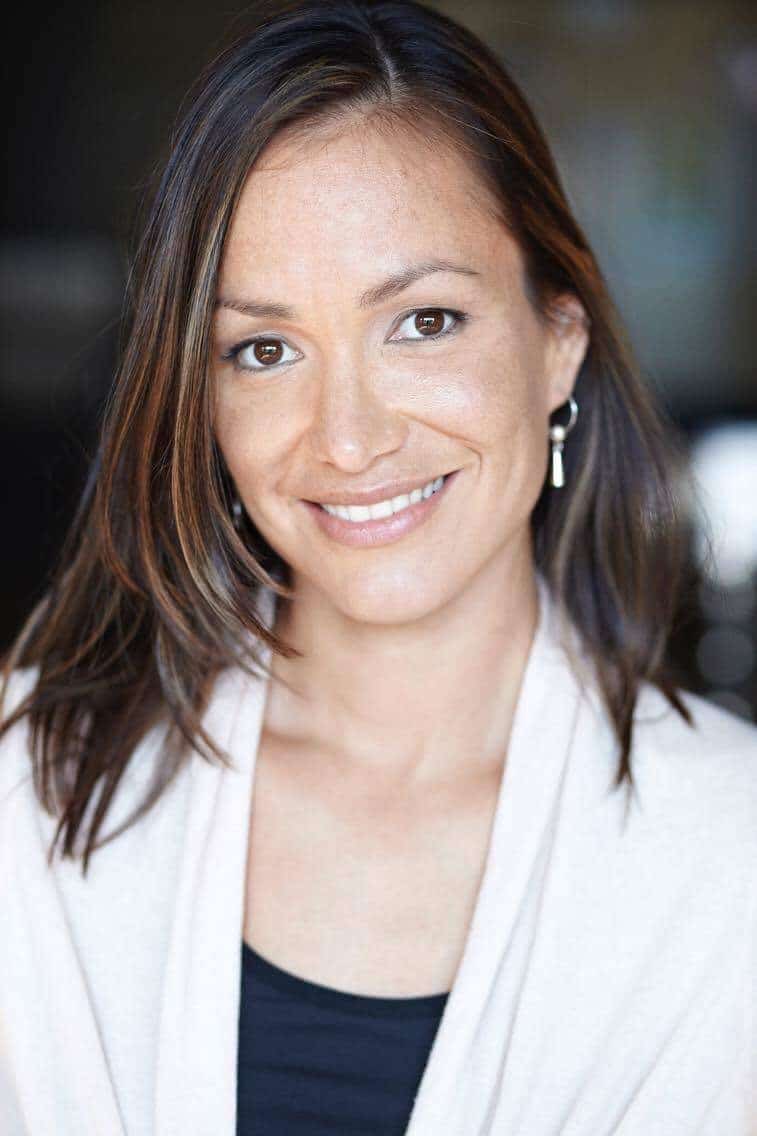
Waneek Horn-Miller
Mohawk, Kahnawake Mohawk Territory, Quebec
Waneek Horn-Miller has overcome discrimination, self-doubt, and an infamous incident of violence to emerge as one of North America’s most inspiring Native speakers. “You have to figure out what it is that’s the trigger for your motivation and recruit people into helping you, and, as well, get tough with yourself. Look in the mirror and say, ‘I’ve had it with all the excuses. I want to make my dreams my reality, and I want to start today.” Young, frank, and hopeful, filled with purpose and poise, she works to mend the dysfunctional relationship between Native and non-Native communities through social and political change. She was stabbed with a bayonet by a Canadian soldier during the1990 Oka crisis. She used this life changing experience to fuel her dreams of competing at the Olympics.
Ten years later, the dream became a reality when she co-captained the Canadian Women’s water polo team at the 2000 Sydney Olympics. This had her appearing on the cover of TIME magazine and beginning towards working on attracting Indigenous youth to higher education by building self-esteem and emphasizing a balance between education and sports. Waneek has traveled widely speaking about her experiences both in and out of sports. She is currently working with the Assembly of First Nations as the IndigenACTION Ambassador to develop a National Indigenous Sport, Fitness and Wellness Strategy. She is also the Coordinator of the First People’s House at McGill University.
Plain Talk 13 | Role Models
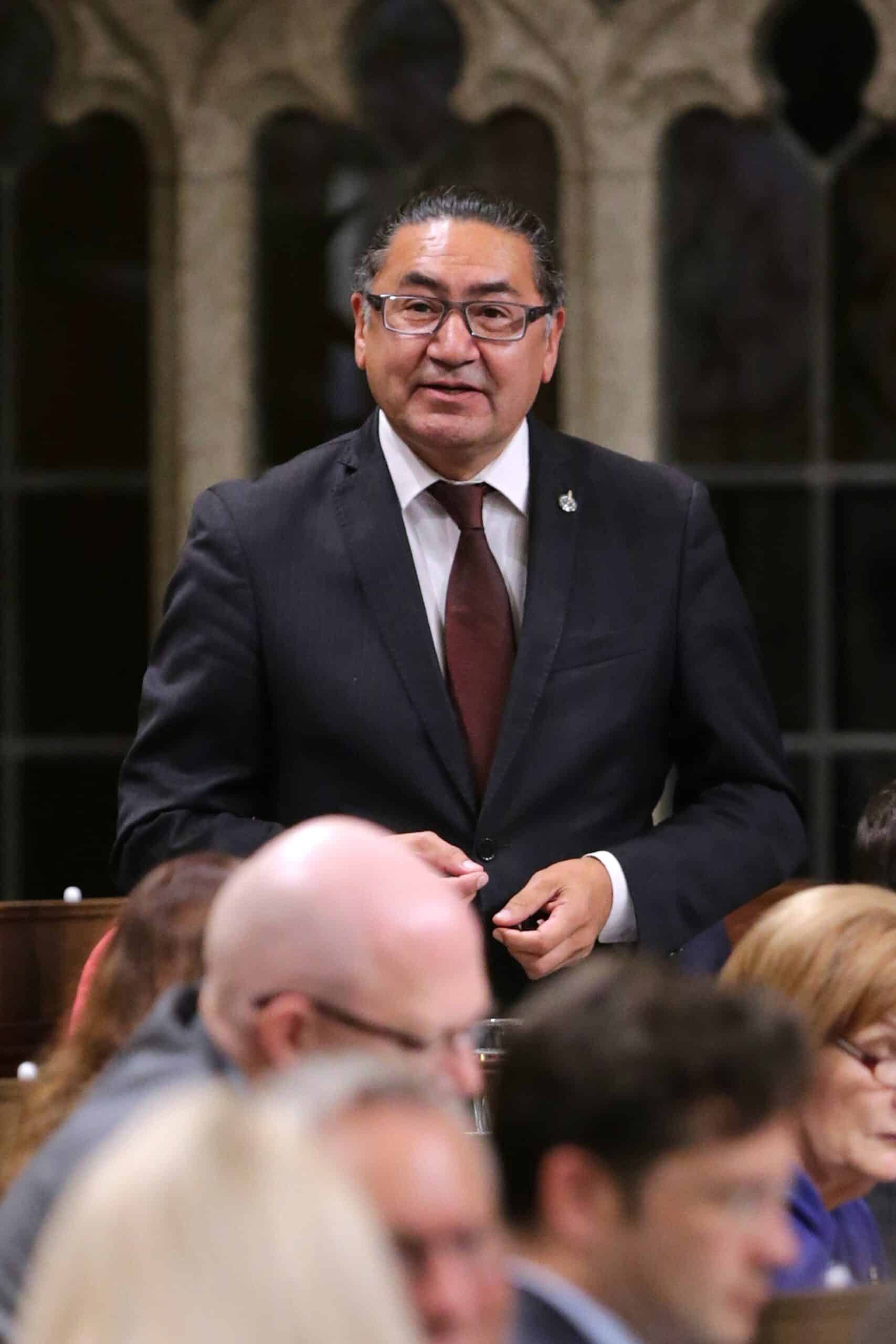
Romeo Saganash
Cree, Waswanipi, Quebec
In 1989 he became the first Cree to receive a law degree in Quebec. Fluent in English and French, his first language is Cree. Saganash served as deputy grand chief of the James Bay Cree of Northern Quebec from 1990 to 1993. Prior to his election, he served as director of governmental relations and international affairs for the Grand Council of Crees. He put his name in the running for the leadership of the NDP to succeed Jack Layton making him the first Aboriginal leader to run for the leadership of a major Canadian party.
Plain Talk 13 | Role Models
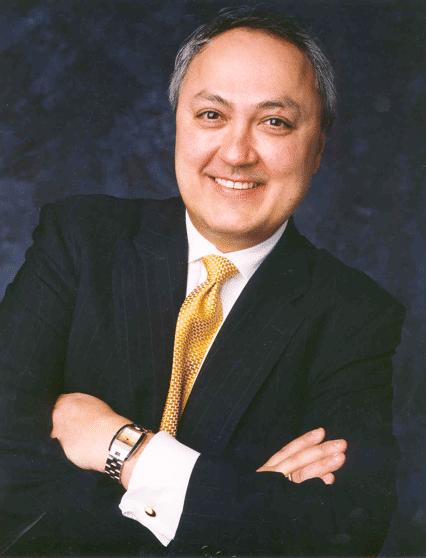
John Kim Bell
Mohawk, Kahnawake Mohawk Territory, Quebec
John Kim Bell is one of the most decorated Indigenous leaders in Canada and an internationally recognized leader and activist in First Nations resource development and the environment. Mr. Bell, born on the Kahnawake Mohawk Reserve on the south shore of Montreal, has received numerous awards for his unprecedented work as a philanthropist including six honorary doctorates (Universities of Toronto, Alberta, Lakehead, Mount Allison, Trent, & Wilfred Laurier) and is an Officer of the Order of Canada and a recipient of the Order of Ontario. He was the national recipient of the Royal Bank Award for Canadian Achievement in 1988, a major Canadian award carrying a cash price of $250,000 and has received three medals from the Queen plus many other citations for his ground-breaking work.
Plain Talk 13 | Role Models
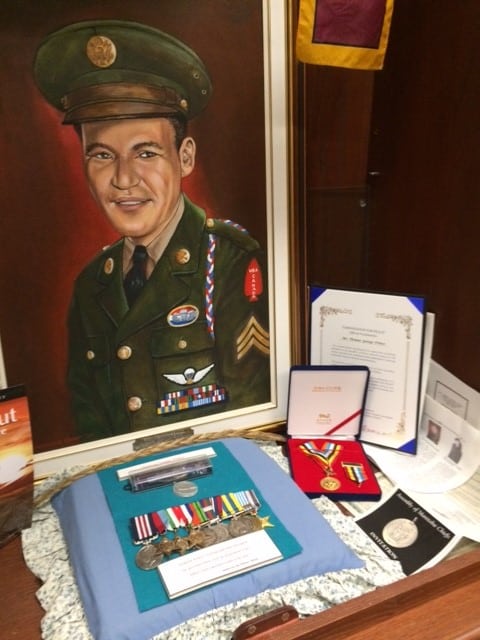
Thomas George "Tommy" Prince
Ojibw’e Nation, Brokenhead Reservation, Scanterbury, Manitoba
Tommy Prince died on November 25, 1977, but left his legacy as one of Canada’s most decorated First Nations soldiers, serving in World War II and the Korean War. Growing up, Prince was a superb marksman with exceptional tracking skills. He joined the army cadets as a teenager and volunteered for duty with an elite parachute unit. All members of this elite squad received intense instruction in stealth tactics, hand-to-hand combat, the use of explosives for demolition, amphibious warfare, rock climbing and mountain fighting, and as ski troops. Prince became a “Scout,” responsible for moving into forward positions and reporting on the movements of the enemy. In 1945, Sergeant Prince was summoned to Buckingham Palace where King George VI presented him with his Military Medal.
He was one of 59 Canadians to receive the Silver Star during the war, and one of only three to receive the Military Medal. Tommy Prince was decorated nine times, the most of any Indigenous soldier in the war. In 1946 he was elected chairman of the Manitoba Indian Association. In August 1950, Prince re-enlisted in the Canadian Army to fight with the United Nations troops in the Korean War. Prince received the Korea Medal, the Canadian Volunteer Service Medal and the United Nations Service Medal. Following the Korean Armistice Agreement, he remained in the army, working as an instructor of new recruits in Winnipeg, Manitoba, until his honourable discharge in 1953. But his personal life deteriorated and alcoholism overtook him resulting in his final years being spent virtually alone, living in a Salvation Army hostel. Sadly, in order to support himself, he sold off all his medals. His medals changed hands several times before coming up for auction when his nephew, Jim Bear, organized a pledge drive and purchased the medals, entrusting them to the Manitoba Museum.
Since his death, a number of honors have been bestowed in his name including:
- Sgt. Tommy Prince Street in Winnipeg
- Sgt Tommy Prince School in Scanterbury, Manitoba
- The “Tommy Prince Barracks” at Canadian Forces Base,
- Petawawa, Ontario
- The “Tommy Prince Drill Hall”
- Land Force Western Area
- Training Centre in Wainwright, Alberta
- “Sergeant Tommy Prince Army Training Initiative” for Indigenous recruiting
- The “Tommy Prince Award”: An Assembly of First Nations scholarship
The “Tommy Prince Scholarship” at Sault College, Sault Ste. Marie, Ontario - 553 Sgt. Tommy Prince PPCLI Cadet Corps, Winnipeg, Manitoba
- Tommy Prince Road in the Valour Park/Victoria Cross Park – a mixed-use development of Currie Barracks in Calgary, Alberta (2010)
Canadian actor Adam Beach would later portray the Canadian war hero in a movie about his life.
Plain Talk 13 | Role Models