Plain Talk 1Youth & Advocacy
Chapter 1Youth & Advocacy
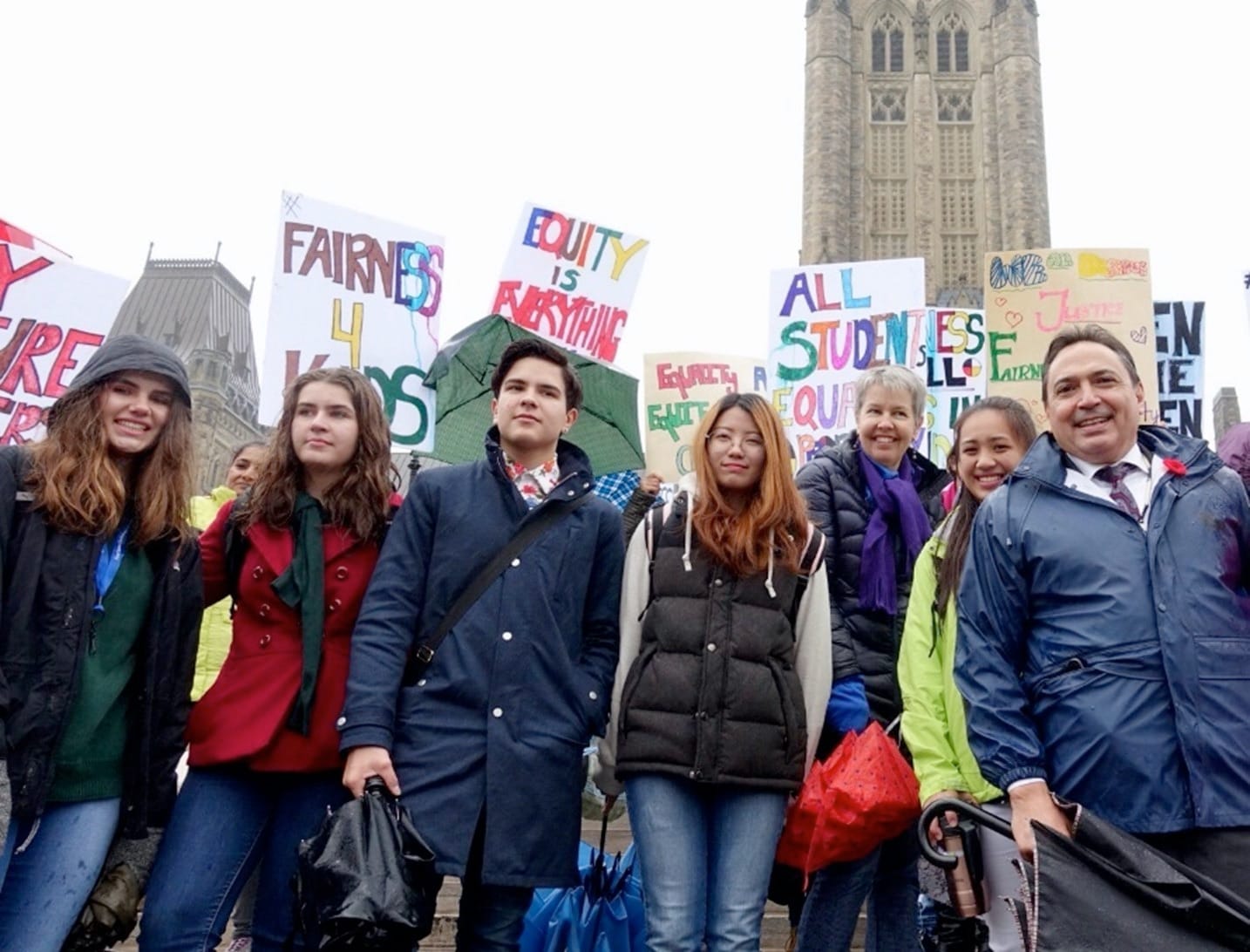
There are countless forms of advocacy that youth can look to today. Whether it’s online in the form of social media, or in-person, advocacy is everywhere and accessible to everyone.
In this Plain Talk, youth will learn how to become an effective advocate, including how to research, plan and how to run a campaign. Also, this book will explore examples of youth advocacy within the Assembly of First Nations, other youth groups and much more.
Section 1
What is advocacy? How can I become an effective advocate?
“We believe that youth have a lot of valuable knowledge and experience to bring to the issue of promoting life in First Nations communities. We are collectively committed to speaking out against injustice in all its forms. We draw courage and strength from each other and know that our voices are stronger together. We want to explore new possibilities for taking action and are deeply committed to an ethic of relational accountability”
—Assembly of First Nations National Youth Council, 2016
Plain Talk 1 | Youth & Advocacy
What is Advocacy?
Advocacy means taking action to create change. Advocates organize themselves to take steps to tackle an issue. They help to give people ways to speak out about things that negatively affect them. Advocacy has been described as “speaking truth to power” (Their World, n.d.).
- Giving people a voice about the issues that affect them.
- Building evidence on what needs to change and how that change can happen.
- Positive change in society towards greater social justice and equality.
- Influencing people with power and changing how they think and act.
Plain Talk 1 | Youth & Advocacy
How can you become an effective advocate?
If you’d like to go further with your advocacy, you can use the following strategies to help you develop an advocacy plan. The ideas are inspired by Plan International and you can visit their website for further information on strategic advocacy planning.
1. Research
Choose Your Issue
As an advocate, you’ll need to be passionate about your cause and clear about what you want. As a First Nations youth, there are many issues that can be addressed such as mental health, clean drinking water, and land protection to name a few. Speak with your local Knowledge Keeper or trusted adult to discuss other issues you can address.
Write down your reflections on the problem or opportunity.
What is the issue?
What are the causes?
What are the consequences?
What are some people, particularly young people or decision-makers already doing to help alleviate this problem?
Plain Talk 1 | Youth & Advocacy
What are some people, particularly young people or decision-makers already doing to help alleviate this problem?
Choose Your Stakeholders
Stakeholders are people who are involved in, influence, or care about the issue. Through a stakeholder analysis you will identify who’s involved in the issue and their perspective.
Stakeholders are people who have an interest in the topic (who is really interested and influential?) Such persons can include: Chief and Council, a local business, school/teachers, school board, media, pupils/young children/youth, community/parents/caretakers, non-governmental organizations, government.
Choose Your Research
One of the best ways to get others to support a course-of-action or movement is to show them the evidence as to why it’s in their interest or the interest of others to do so. Evidence refers to the facts and information that will support your advocacy message.
Research can include:
Use to: quickly find out what different people think about the issue, whether it’s important to them and ideas to change.
Use to: provide space for dialogue, gather detailed feedback, build relationships, and awareness.
Use to: quickly and safely gather information, without the need to do first-hand research.
Use to: share and learn with key stakeholders and build alliances.
Use to: gather detailed personal insights and the human story behind the issues.
Use to: gather the views of community members.
Plain Talk 1 | Youth & Advocacy
Choose Your Message
A full brief is useful for you and your team and can be used for those who are really interested and involved. It should include: What the problem is and how it can be changed.
A quick-fire message to get your message across quickly (in less than one minute) to people who might be interested.
Adapted messages for your specific audiences. Find ways to link the interests of the people you want to influence with your advocacy issue.
Brilliant messages are:
- Simple;
- Solution-focused;
- Practical and reasonable in their requests;
- Evidence-based—include real life stories, facts, and stats;
- Appropriate for the audience in language and content;
- Personal—they show why you care.
Choose Your Method
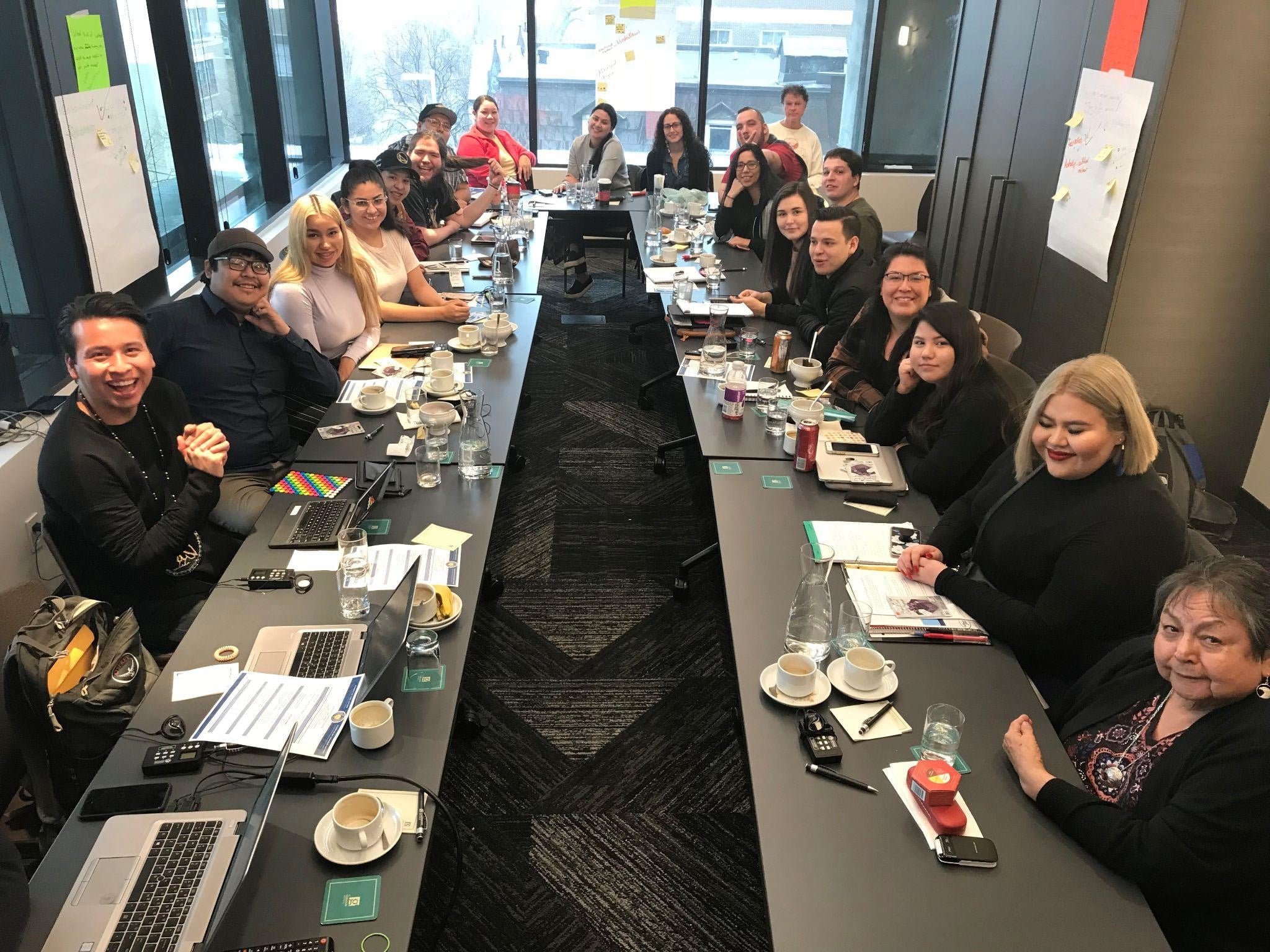
In order to complete your plan, you’ll need to decide on the actions you want to do. Ask yourself and your team:
What will have the biggest impact?
What might be the easiest things to do?
What skills and contacts does your group already have?
What do you and others involved like doing?
What excites you?
What do you know has worked in the past?
Will you influence decision-makers by working closely with them as an ‘insider’ or by mobilizing the public?
Plain Talk 1 | Youth & Advocacy
3. Campaign
Choose Your Campaign Strategy
Campaigning is action taken towards your objective that is targeted at a wider audience, beyond your team and those you want to influence.
For more information about organizing and planning see Plain Talk 14: Engaging the Community.
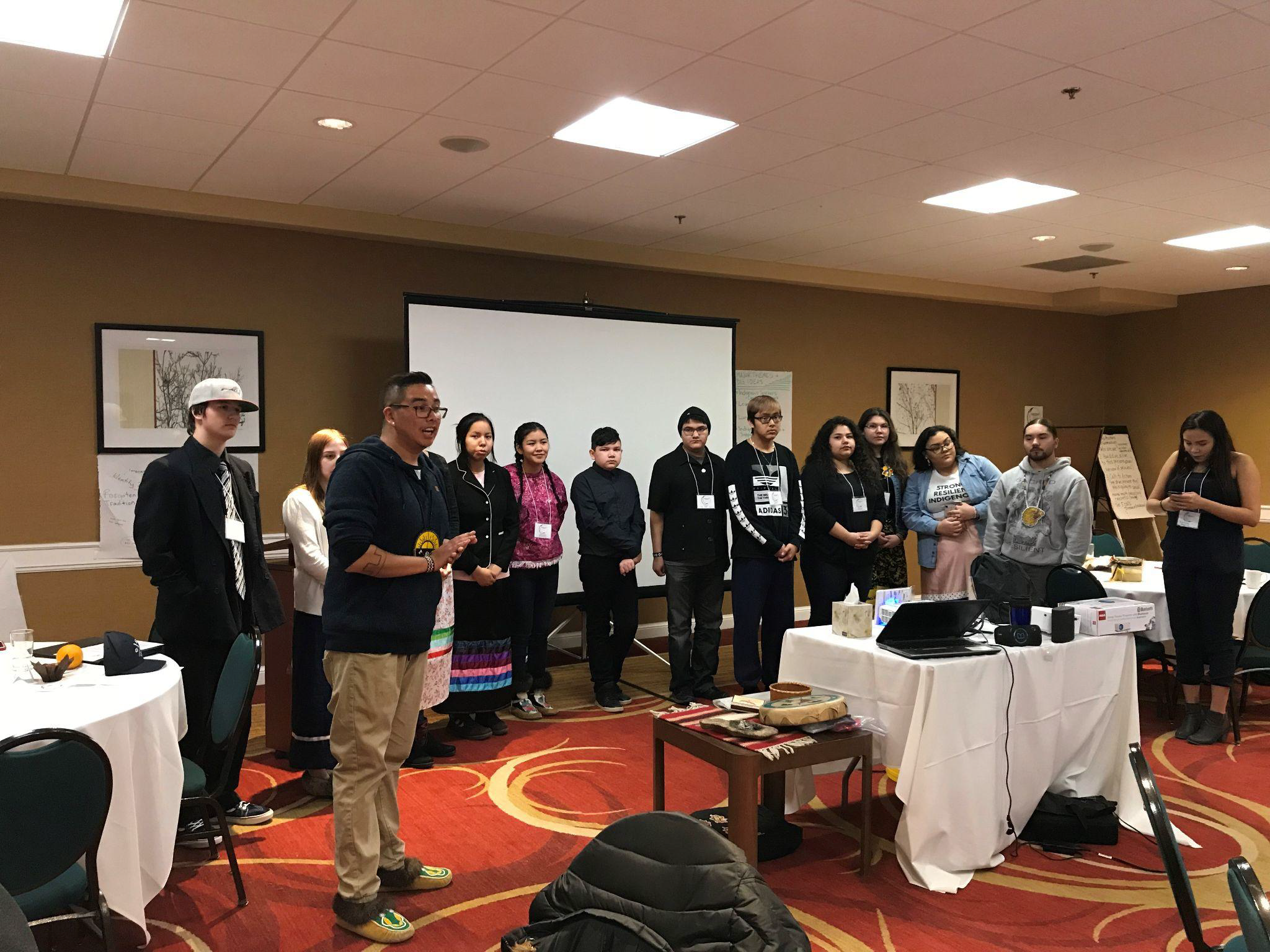
Here are some ideas for effective campaigning:
Good for getting noticed, showing strength, bringing groups together, motivating supporters. Things to consider:
- Strength in numbers
- Get permission from police and authorities, if necessary
- Be as visible as possible
- Keep everyone safe
- Keep the energy and group spirit up
Here are some videos of successful Rallies and Marches for First Nations: Edmonton Rally in Support of Wet’suwet’en First Nation, Rally for Missing and Murdered Indigenous Women, Justice for Colten Boushie Rallies.
Good for raising awareness, building support locally, getting people to act. Things to consider:
- Make it obvious what you are there for
- Make it attractive
- Have information for people to take away
- Find a place where a lot of people will pass by
- Make people feel comfortable to come and talk to you
- What are you asking people to do? (e.g., sign a petition, ask their school, etc.)
Good for getting media coverage, raising awareness, having fun. Things to consider:
- Planning—one chance to get it right
- Invite the media
- Think big, think creative
- Timing is key! (e.g., do it before an important policy decision).
- Decide on your approach to get attention—humour, serious, scale, etc.
Good for outreach to new audiences, raising awareness and understanding, giving voice to the voiceless. Things to consider:
- Give audiences the chance to really understanding the reality of the situation
- Opportunity for out of school children to share their experience
- Choose your approach to attract your target audience
- Explore participatory methods to engage the audience
Here are some amazing examples of performances from First Nations peoples that address issues: N’we Jinan Artists, Performance of Murdered and Missing Indigenous Women.
Good for involving the wider community getting views and ideas from the public, holding decision makers accountable. For many First Nations communities, the Chief and Council are responsible for their people, and addressing your concerns to them can be key to moving your cause forward. Things to consider:
- Think about how to get a good mix of your community to the meeting. It would be a great time to bring up an issue at a Membership meeting for your First Nation
- Make it as accessible as possible
- Make sure the seating and process are right so everyone can be involved and have a say
- Start planning early and think about logistics and safety for large numbers
- Invite decision-makers to explain the situation and their decisions directly to the people
Good for raising awareness and understanding, getting conversations started, hearing from different stakeholders. Things to consider:
- Use lots of visuals to get your message across
- Record or transcribe the presentation and share it
- Give a platform to those demanding their voice be heard
- Involve the audience and get them talking to each other
- Engage a wider audience and open the conversations online if possible (e.g., get people tweeting using a specific #)
- Practice!
Here are some great examples of First Nations youth making a presentation: Creating Environments for Indigenous Youth to Live & Succeed, Native Youth Are More Than Statistics, Resilience: Turning Failure into Success.
Good for putting pressure on decision-makers by showing evidence of support, giving large numbers of supporters a way to contribute easily. Things to consider:
- Provide concise and compelling background information to inspire people to sign
- Ask people to sign up for the ONE thing that will really make a difference
- Make it easy to share. Ask people to forward, hand-out, etc.
- Go global! Look at e-petition sites to increase your reach
- Ask for people’s contact information so you can keep them updated and involve them again
Here are websites that assist in petition-signing: Parliament of Canada, Change.org.
Section 2
Examples of First Nations Youth Advocacy
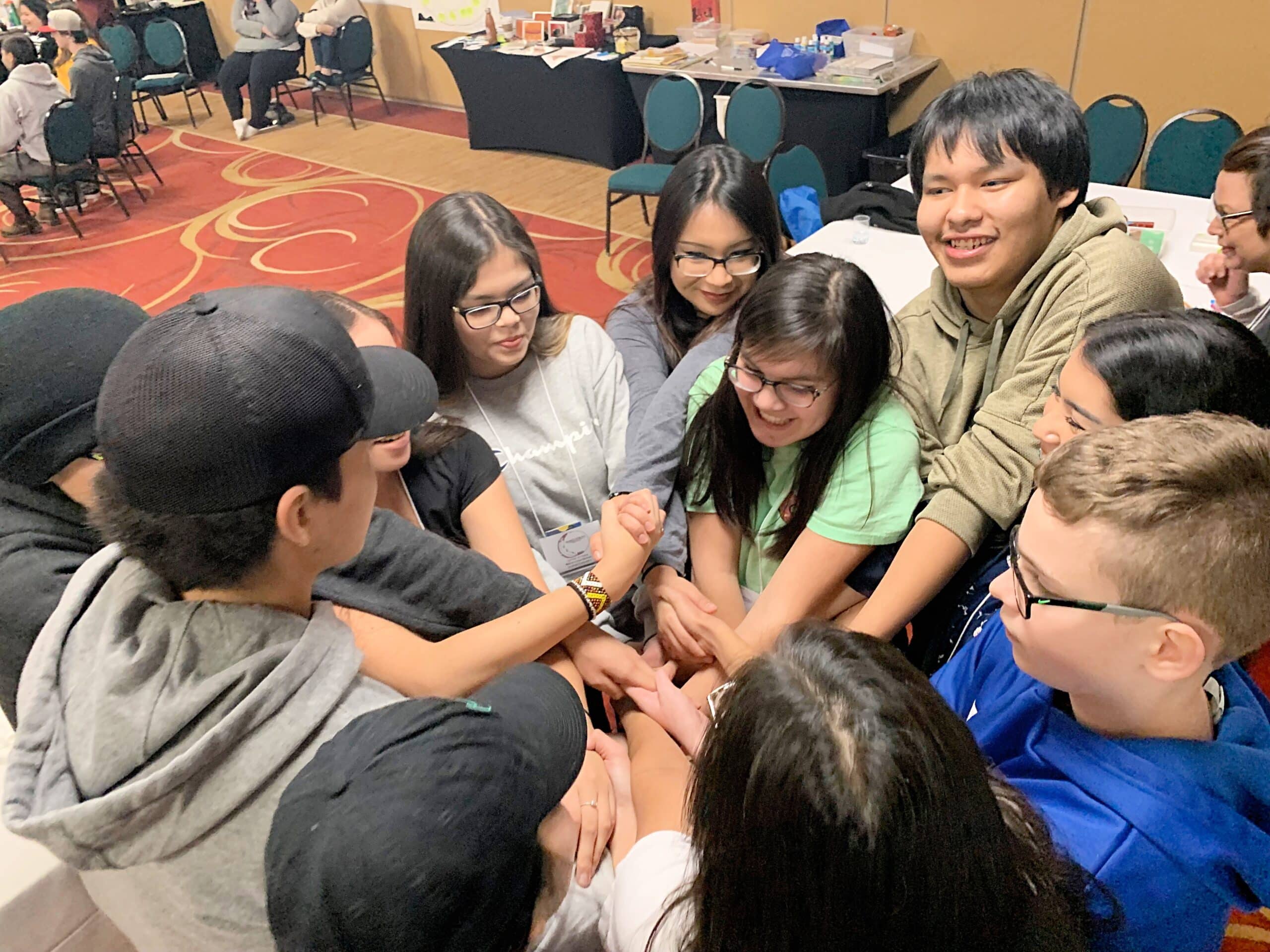
Youth advocacy is a form of social practice focused on the positive development of young people through the use of political and social processes that seek to influence public policy, resource allocation, support services, and media perspectives around systems of care (source link). Learning about how First Nations youth have mobilized in the past, can help inform our own journey in advocacy.
Plain Talk 1 | Youth & Advocacy
AFN National Youth Council
The Assembly of First Nations National Youth Council (AFN-NYC) is a key component of the AFN, representing First Nations youth across the country and advocating for issues that impact them on a daily basis. The AFN-NYC creates and promotes opportunities for youth to engage in important issues such as languages, life promotion, healthy lifestyles, climate action, culture and education. The AFN-NYC reports to the AFN as an advisory body on all issues from a youth perspective.
The AFN-NYC operates as a 20-member council of First Nations youth from each of the 10 AFN regions. Each region appoints one male and one female representative, whose length of term depends on their regional process. The representatives are selected by regional youth councils or by their Regional Chief.
Calls to Action on Life Promotion in First Nations Communities
In 2016, members of the AFN-NYC gathered in Ottawa for a Roundtable discussion with the Minister of Health, Jane Philpott. Their intention was twofold: (1) to reaffirm that our
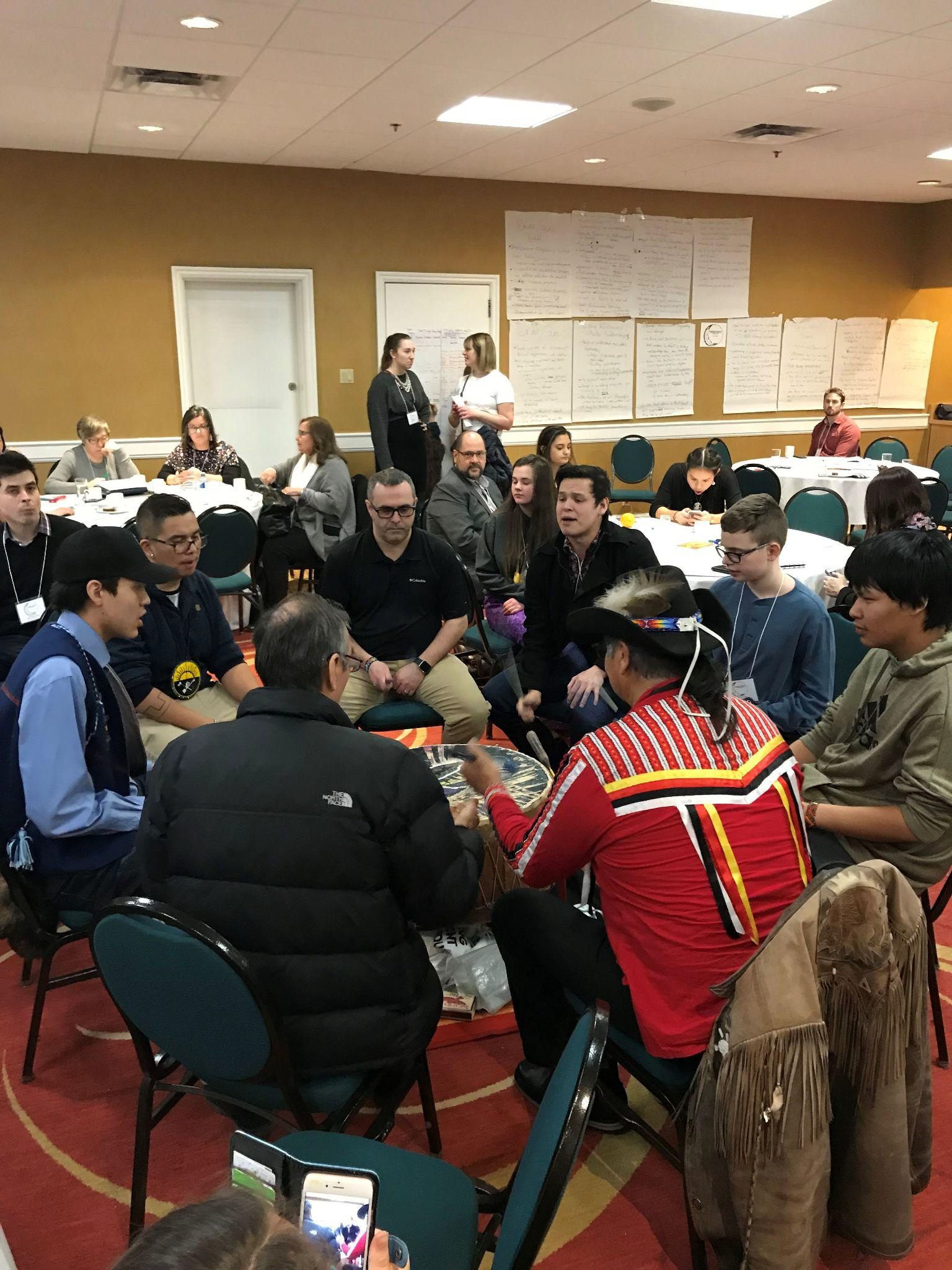
basic human rights as Indigenous peoples are to be recognized and upheld in keeping with the United Nations Declaration on the Rights of Indigenous Peoples and (2) to communicate their ideas for promoting life and reducing risks for suicide amongst First Nations children and youth.
The Calls to Action on Life Promotion in First Nations Communities are driven by First Nations youth ideas, knowledge, stories, and experiences. The insights and wisdom are drawn from their experiences of overcoming struggles,
Plain Talk 1 | Youth & Advocacy
reconnecting with hope, and also from listening to the stories of their friends and relatives.
AFN National Youth Council First Nations Youth Call for Immediate Action on Environment and Climate Change
In 2019, the AFN-NYC hosted the National First Nations Youth Summit on Environment and Climate Change in Wendake First Nation, Quebec. Over 80 youth gathered from across Canada
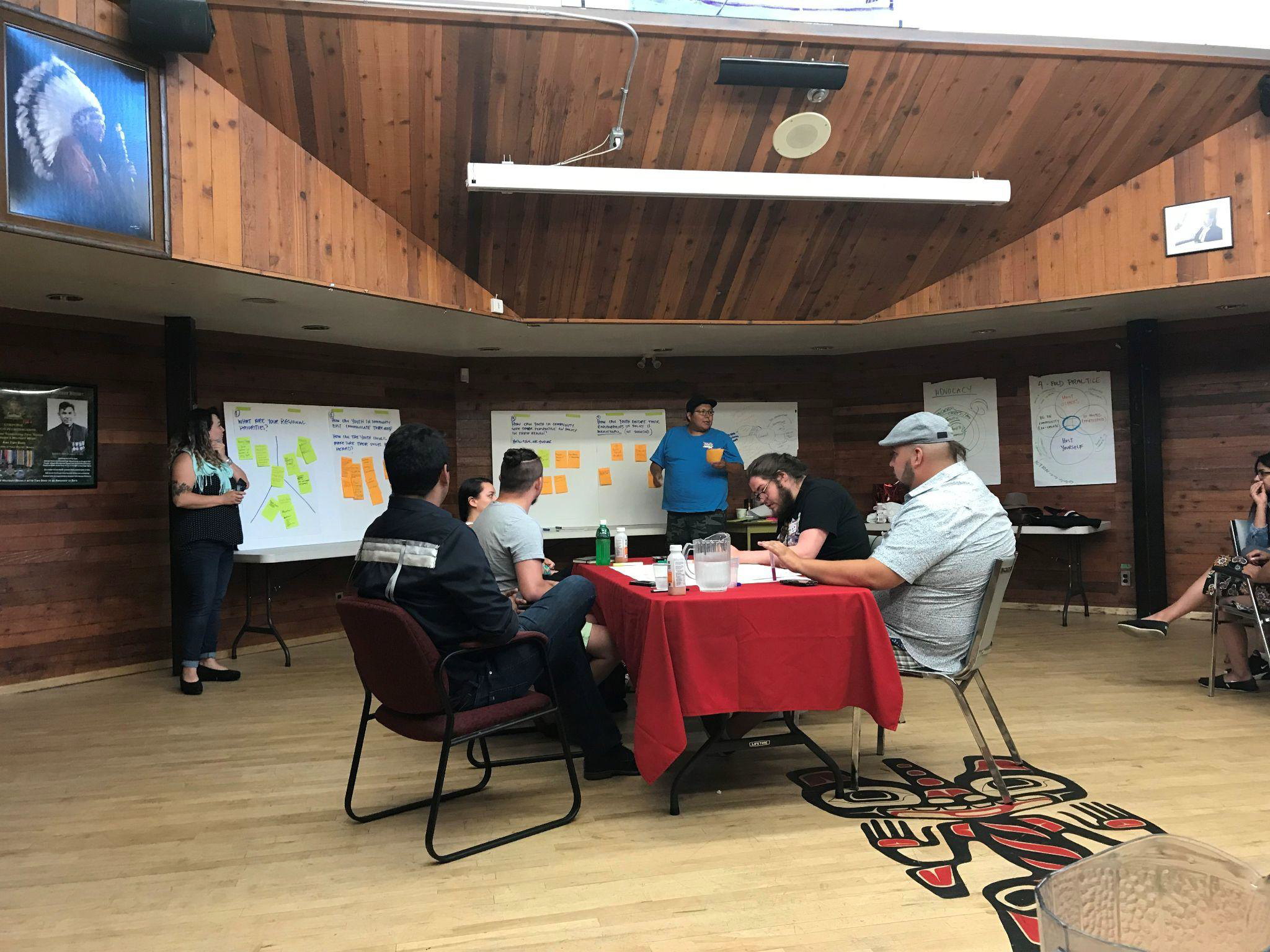
to build awareness on the importance of Indigenous knowledge of the land, protection of the land, climate change, and the protection of the environment.
The youth participants created the following declaration:
We, First Nations Youth from across Turtle Island, met on Huron-Wendat territory to envision a climate and environmental future for the seven generations to come, and identify actions needed immediately to achieve our vision. They addressed the crowd by stating the following:
We are children, siblings, parents, land and water protectors, ceremony and knowledge keepers, and leaders of today.
Our world is in crisis: by 2030, if we do not reduce greenhouse gas emissions, irreversible impacts will occur. The North is warming at twice the rate of the rest of the world. Our lands and waters are often exploited, sick, or dying. As the lands and waters get sick, our traditional foods, medicines, and spirituality become less accessible.
We are not living in harmony with our environments. Everyone must act now to change the systems and mindsets which enable these impacts.
Plain Talk 1 | Youth & Advocacy
We, as First Nations Youth across Turtle Island, breathe life into these calls-to-action and commit to implementation the provisions contained within it.
We call upon you, as Leadership, as our Elders, as our kin to support us as we seek to fulfil our responsibilities to our future and honour our past.
Plain Talk 1 | Youth & Advocacy
First Nations Youth Calls to Action on Education – Raised Voices: Carriers of Hope
In 2019, the AFN Education Sector hosted the Raised Voices: Carriers of Hope Youth Policy Forum on First Nations Education. This unprecedented event brought together 36 First Nations youth from Nations across Canada between the ages of 13 and 18 to discuss their first-hand experiences and challenges in education.
Over the course of four days, delegates identified five Calls to Action on First Nations Education to address and support the mental, spiritual, physical and emotional wellbeing of all First Nations youth. The youth delegates had the opportunity to present the Calls to Action to policy makers, First Nations and non-First Nations leadership, and national education partners.
Plain Talk 1 | Youth & Advocacy
How can YOU answer the Calls to Action?
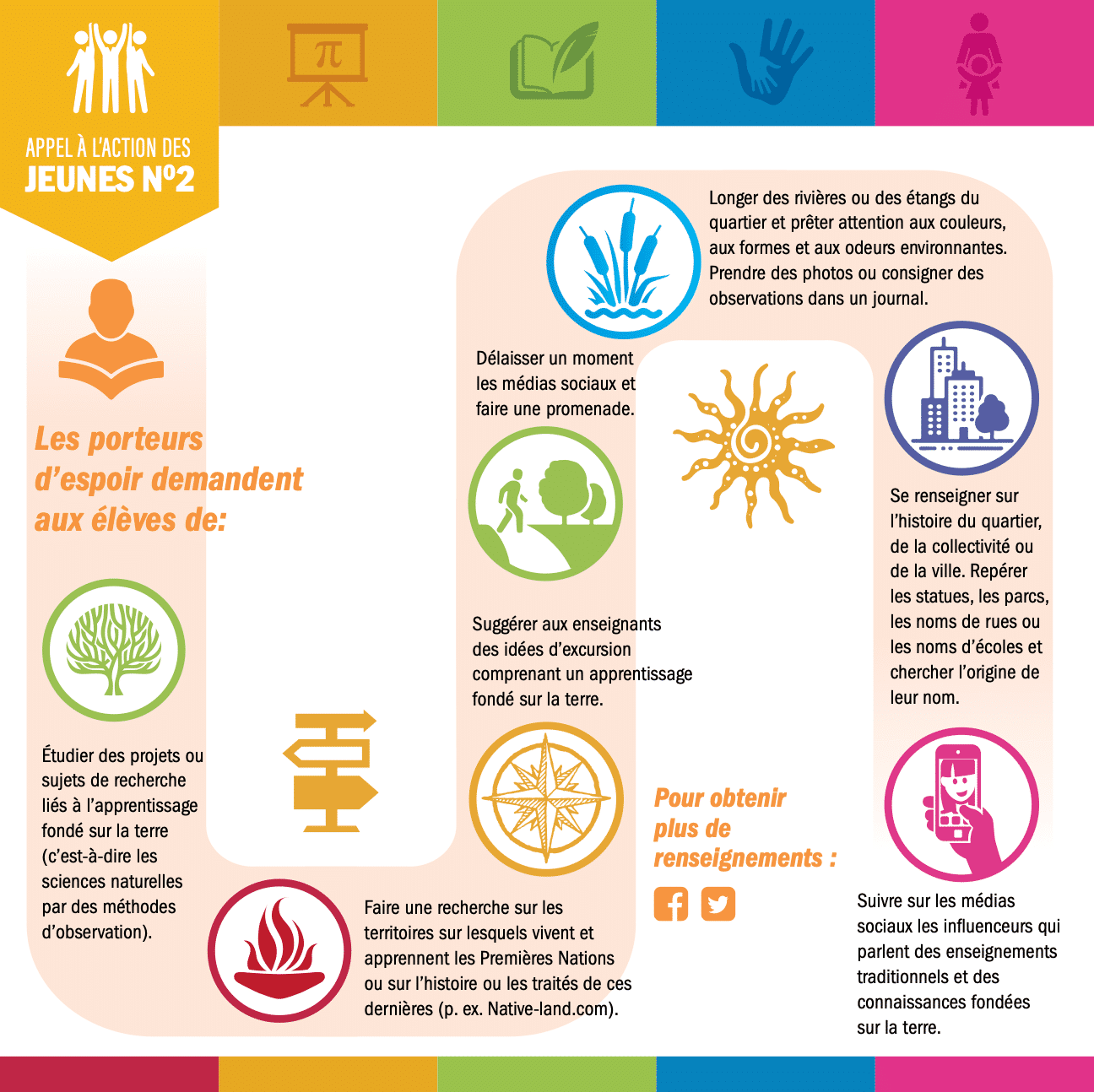
In 2020, the AFN Education Sector held a second Raised Voices: Carriers of Hope event in Enoch First Nation, Alberta. The youth delegates were reunited to curate and build an implementation guide for the five Calls to Action.
The objectives of the How-to-Guide are to:
- honour and promote the contributions and advocacy of First Nations youth;
- amplify youth priorities for improving First Nations education; and
- call upon both First Nations and non-First Nations students, teachers, schools, and leadership, to take prompt action in their community to advance each Call to Action.
The voices who informed this How-to-Guide were reflective of First Nations from each region across the country. They encompass and represent diverse gender/sex identities, ages, and rural and urban experiences.
Section 3
First Nations Youth Stories of Advocacy
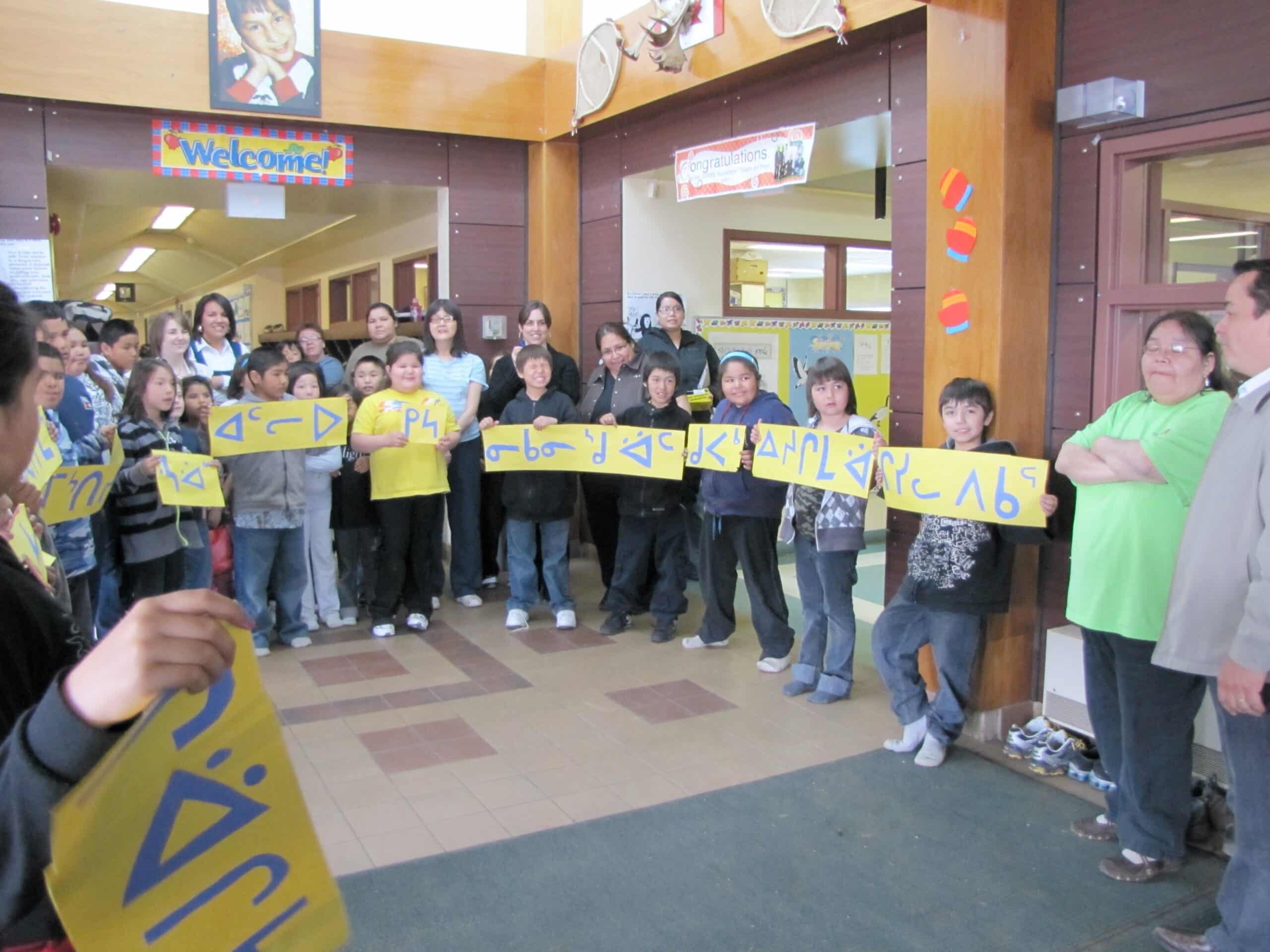
It is important to listen, understand, and respect the stories and experiences of First Nations Youth. Our society can often attempt to diminish the voices of youth; however, their thoughts and ideas on issues are vital to creating true and meaningful change for First Nations.
During and after the Raised Voices: Carriers of Hope gathering in 2019, space was offered for First Nations youth to share their stories and inspirations that guide them in life. They expressed their concerns and the audience listened intently and made commitments to the youth.
Plain Talk 1 | Youth & Advocacy
The gathering also provided the opportunity for youth to participate in one-on-one interviews to share their insights on the barriers and challenges in First Nations education, the importance of each Call to Action and what inspired their advocacy. The interviews allowed the youth to share personal experiences in elementary and secondary school, and to voice their suggestions on creating positive change in and out of the classroom.
(Interview occurred after the Youth Forum in 2019, which made the Calls to Action)
What are you studying? How do you spend your free time, do you volunteer or are you involved in any community leadership, etc.
I graduated from high school a couple of weeks ago. I wore a regalia to my graduation in memory of my uncle because he always pushed me toward education. I’m currently on the Youth Council for the Anishinabek Nation and a youth representative for the Huron region. I attend many council meetings and sit on behalf of youth. I am also planning on organizing a youth committee in my community, because individuals ages 14-20 are the most vulnerable and need representation.
What was your most important takeaway from the Forum?
I learned that it is important to make connections with First Nation youth across Canada, because we all seem to face the same issues. I think it’s important to connect with youth to have their say and create connections for these issues.
How do you apply what you learned, discussed and shared in your daily life, work, school, community?
I learned more about getting into practicing my culture and ways to incorporate it into my community. When I went home, I hosted a youth gathering and workshops at our local complex and 30 youth showed up. The workshops made me very happy because I witnessed the younger youth becoming more comfortable with the idea of regalias and traditional dancing. This made my spirit very happy.
Describe your Call to Action #2 and how it’ll make a difference for you and/or your family and/or peers?
I was on the planning committee for our school’s renovations. The school is incorporating a lot of First Nations symbolism including a smudging room and renaming a number of areas to reflect the language and culture.
Who should be acting on this call and how? What can the average Canadian do? What can people in your community do?
Learning about your own First Nation’s culture needs to be done throughout the family. Non-Indigenous Canadians and classmates are encouraged to attend Pow-Wows to learn about our food and culture or reading about Indigenous Peoples can make a difference. Learning culture and seeing Indigenous perspectives is important. Education is the sledgehammer to break through the walls of stereotypes.
(interview occurred after the Youth Forum in 2019, which made the Calls to Action)
What was your most important takeaway from the Forum?
I gained a better understanding of what each Indigenous community faces, such as their education, funding, medical, and their hardships. I can see the need to reunite all Indigenous people together. I also see the importance of speaking to the government to see if they could help us.
How do you apply what you learned, discussed and shared in your daily life, work, school, community?
Just the boost of confidence. Attending this Forum opened me like a cocoon and made me spread into a butterfly. It gave me a huge boost of confidence and mental health. Courage is definitely something I took from it.
Describe Call to Action #5 and how it’ll make a difference for you and/or your family and/or peers?
Answering the Call to Action #5 will help others feel more accepted in school. From my experience, finding teachers that accepted me and willing to talk with me and learn about my struggles. Experiencing this made me want to go to school, and I ended up getting 96% in my course. If the faculty understood Indigenous students as people, all of us would be successful.
Who should be acting on them and how? (What can the average Canadian do? What can people in your community do?
One thing the government can do is to increase funding for Indigenous Peoples to have the opportunity to receive education on- or off-reserve; some Indigenous Peoples don’t like to get taught off-reserve. Teachers can take a history course on Indigenous Peoples so that they can better understand our history and current circumstances.
(interview occurred after the Youth Forum in 2019, which made the Calls to Action)
What are you studying? How do you spend your free time, do you volunteer or are you involved in any community leadership, etc.
I just graduated from high school this year and I plan on going to university. However, I want to take a gap year and help with some funding. I’d eventually like to build my way up to obtaining my Masters in community planning. For volunteer work, I join song groups and sports. For my free time, I love to go canoeing, play water sports, and other competitive activities. I’m very competitive!
How do you apply what you learned, discussed and shared in your daily life, work, school, community?
When I went back to school, I talked to the teachers about my experience at the forum. We should utilize those who have knowledge that can reach out to the youth about traditional knowledge. The way I’d like to share what I’ve learned is by helping the ones who need the support. I’ve done this by planning lunches during the school year where two Elders came in and talked to the kids during lunch.
Describe your Call to Action #2 and how it’ll make a difference for you and/or your family and/or peers?
It gave the government a better understanding on how they should actively listen to the youth’s voice. Youth hang around the aboriginal education room now—they want to learn about their culture. It’s important to have that space (e.g., education room) where you feel welcomed and have the weight lifted off your shoulders. You can go in there and you’re just welcomed and helped. It’s a safe feeling.
Who should be acting on Call to Action #2, and how? What can the average Canadian do? What can people in your community do?
Teachers can learn different things based on what the Elders are telling them and bring it to the classroom—especially in biology; they can bring in Elders to talk about plants. Elders can be brought in to talk about it in their own way—it would give students and teachers a different perspective. They would have something to bring home.
What inspired you to become an advocate?
When I first was brought into the leadership industry, I had no idea what to expect. I went to my very first conference with the AFN as a Carrier of Hope in 2019. I felt different like I had a whole new perspective on my surroundings. I was brought in to see the real issues in Canada. I realized that I was striving to make these changes. After seeing what I had created and sharing ideas with other youth gave me comfort. Our culture is so diverse, and the issues we deal with can be fixed. I want to be a part of that journey to make those changes.
What advice would you give to other youth who want to advocate?
Many people ask this question, and I always give them the same answer. It’s quite simple, express your ideas from the bottom of your heart. Please don’t do it for others but yourself. If you are advocating for the pleasing of others, then you should not do it. You have to want it, and it’s not about popularity or fame. If you are honest and truthful, then you will succeed.
What were the successes you have seen as a result of your advocacy?
When I noticed my voice was being heard and people started to do something about it, it paid off. Suddenly, I was getting recognition for expressing my thoughts through speaking and I became a Citizen of the year. I received local rewards and opportunities to attend conferences and meetings. I was travelling almost every other weekend to do something for the youth. I became an Ambassador of Hope and a mental health advocate. I also started a Cree class at my school. These things would have never happened if I hadn’t been involved. It’s crazy what life throws at you, but you do have to work hard for what you want. You have to make sacrifices to be great.
How have you created your own support system?
This is a crucial question that is needed when being an advocate. My support system is beyond amazing. Right from the beginning, I had supportive parents. They believed in me and knew I was capable of anything. They were there to support me. When things get tough, and I didn’t feel like going to them, I could always turn to my friends. You must have someone who understands you and will be there to provide comfort when you need it.
What have been the challenges of being an advocate?
One of the biggest challenges I struggled with was my mental health. Soon over time, I realized that it was distressing knowing I was helping others and creating change. I enjoyed travelling and being away from home when I felt sad or upset. It felt like a reset, and I could live and breathe on my own. Many people think that being an advocate is easy. Everyone will struggle with mental health at least once in their lifetime. When I first started being an advocate, I was younger than others, felt like I couldn’t do as much. Your age should not limit you, because it doesn’t matter. If you show them what you’re made of, then your age is just a number. Don’t let your age ruin your confidence. There will always be people around you who will try to bash you. You have to be the bigger person and ignore it.
What inspired you to become an advocate?
A big part of what inspired me to become an advocate was to create positive change, whether it be locally, nationally, or globally, and use my voice to represent others who cannot.
What advice would you give to other youth who want to advocate?
The advice I would give to youth who want to advocate would be to speak up and use their voice. As Indigenous people, we have been conditioned through colonization to be quiet; that is why it is essential to speak out and use your voice. We all matter, and your voice is important!
What were the successes have you seen as a result of your advocacy?
The first experience I had with advocacy was writing a letter to leadership. I wrote to the Chief and Council in my community, the Principal and Vice-Principal at my high school at the time, and the Superintendent of my school district on the subject of raising the Mi’kmaq Grand Council Flag at our high school. In this letter, I wrote about the importance of raising the flag. With all of the work and pressure placed by many other people in our community, the Mi’kmaq Grand Council Flag was raised over a year later.
How have you created your own support system?
My support system for everything has always been my mom, Rose Vicaire. Ever since I could remember, she was there to help me and push me to work hard! Next to that would be my close family and friends who continue to support me. However, as I slowly started working on projects involving advocacy and going to university to study leadership, I found many people along the way with similar interests and passions that I can lean on if I need help.
What have been the challenges of being an advocate?
I think the greatest challenge of being an advocate would be confidence. I am still learning on this journey, and there are many times where I feel I am not confident enough of myself on what I believe. However, I think that may stem from the fear that others do not believe in what I share, but that is inevitable; there will always be someone who has different views, and I think a big learning goal would be to understand others’ worldviews.
Who inspires you and why?
Regarding advocacy, many people inspire me; however, I will try to bring it down to three. The first person is my mom, Rose Vicaire. Ever since I can remember, she has always been a very hard working woman that does not wait and rely on others to get things done. The second person would be my cousin, Ali Barnaby. Similar to my mom, she works very hard as well. I aspire to reach her level of commitment to further better my role as an advocate. My third and last person on my list is Wendell Metallic. He is an elected official as a Councilor in our community of Listuguj and has been working in First Nations politics at a community and national level for over twenty-eight years! His commitment to his community truly inspires me.
Plain Talk 1 | Youth & Advocacy
Conclusion
Advocacy is the avenue toward real-life change for First Nations in Canada and youth have the capability to promote progressive change. This book offered you some tools to use as you develop your advocacy journey, along with previous work from AFN Youth Council and Raised Voices: Carriers of Hope. It can be a rigorous journey, but with a surrounding yourself with a support system and belief in yourself and cause, your voice can echo throughout history.
Chapter 2Youth & Advocacy
There are countless forms of advocacy that youth can look to today. Whether it’s online in the form of social media, or in-person, advocacy is everywhere and accessible to everyone.
In this Plain Talk, youth will learn how to become an effective advocate, including how to research, plan and how to run a campaign. Also, this book will explore examples of youth advocacy within the Assembly of First Nations, other youth groups and much more.
Plain Talk 1 | Youth & Advocacy
References
Alliance for Justice (n.d.). What is advocacy? https://mffh.org/wp-content/uploads/2016/04/AFJ_what-is-advocacy.pdf
Assembly of First Nations (2016). Youth roundtable calls for action on life promotion in First Nations communities.
https://www.afn.ca/16-6-8-youth-roundtable-calls-for-action-on-life-promotion-in-first-na/
Canadian Encyclopedia (n.d.). First Nations.
https://www.thecanadianencyclopedia.ca/en/article/first-nations
Plan International (n.d.) Advocacy Toolkit.
https://plan-international.org/publications/advocacy-toolkit
Their World (n.d.). What is advocacy?
https://theirworld.org/explainers/what-is-advocacy.
The Wıĉ itowin Conference Committee (2017). Authentic engagement of First Nations and Metis: Traditional Knowledge Keepers.
https://uakn.org/wp-content/uploads/2018/12/Wicihitowin_AuthenticEngagementBooklet_V8.pdf
Transformative Inquiry (n.d.). Relational accountability.
http://www.transformativeinquiry.ca/TIbook/c7/c7/c7s2.html
Image Sources
pg.8 Council Meetings after Our Past © Three Things Consulting